No products in the cart.


Need Help?
+8801822361899
Sign In
Registration complete. Please check your email.
Create an account
The user name or email address is not correct.
Reset password
Password reset email has been sent.
The email could not be sent. Possible reason: your host may have disabled the mail function.
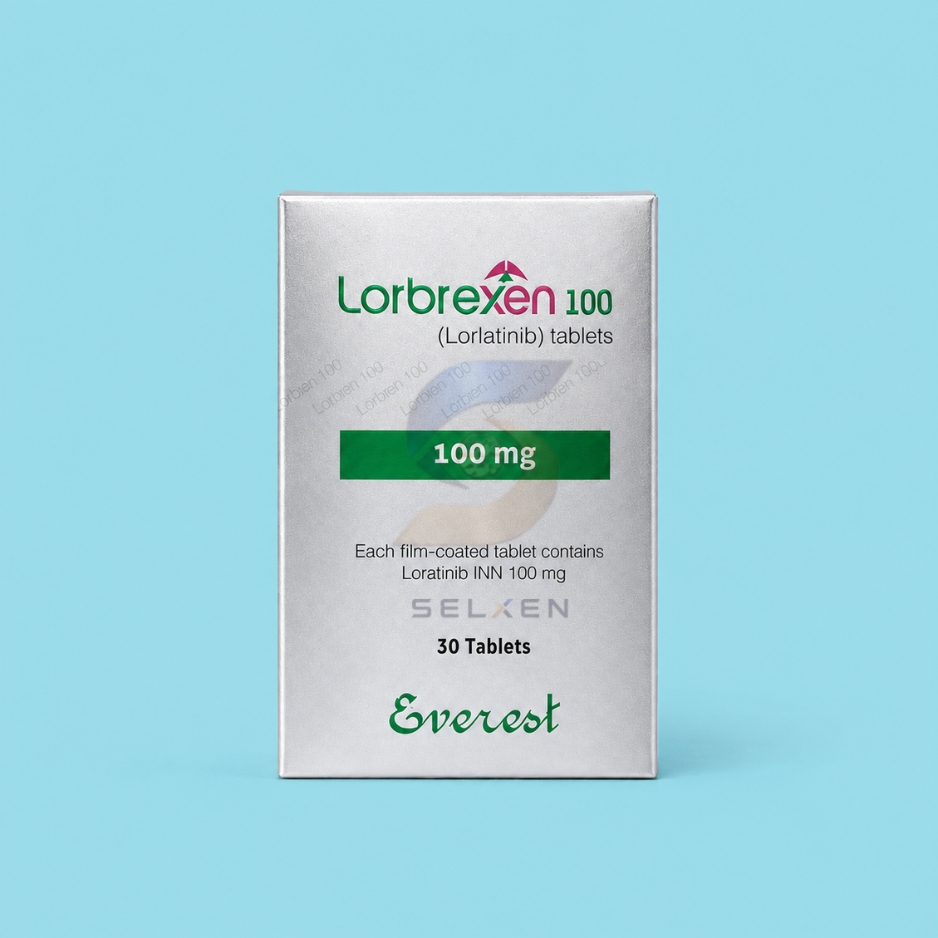
Lorbrexen 100 mg (Lorlatinib) Tablets
- Disclaimer : Before purchasing any medicine, always verify whether there is a valid drug license.
How to know the original Everest products?
To verify an Everest product, first scan the QR code printed on the box. The QR code will take you to the official verification page.
After opening the box, check the bottle for its unique verification code. Enter this code on the verification page to confirm the product’s authenticity.
If the verification is successful, the product is legitimate. However, if a verification error appears, do not use or purchase the product. It may be fake or counterfeit. Fake products should be reported or safely disposed of according to local guidance.
Introduction
Lorbrexen 100 mg is a medicine comprising lorlatinib that is a targeted anti-cancer agent from a category of drugs known as ALK tyrosine kinase inhibitors (TKIs). Lorlatinib is used for treating adults who suffer from ALK-positive advanced/metastatic non-small cell lung cancer (NSCLC). The cancer must be assessed before the start of treatment to determine if there is an alteration in the ALK gene because lorlatinib is indicated in cancers with this molecular feature.
This medicine acts by inhibiting the abnormal signals of the anaplastic lymphoma kinase (ALK) protein. This mechanism of action may prevent the signals that are needed for the growth and survival of ALK-positive cancer cells. Moreover, this medicine may act in cancerous areas of the brain, which is a significant point when talking about ALK-positive NSCLC.
Lorbrexen 100 mg is a prescription drug and must be used under the supervision of a properly trained oncologist depending on various factors like the characteristics of the tumor, prior treatment, other drugs, organ function, etc. Note: The regulatory approval, labeling, composition, and availability of this product may differ between countries. The instructions provided with the medicine and the recommendations of the doctor who treats you take priority.
What Is Lorlatinib?
Lorlatinib is an advanced anti-cancer drug that aims at blocking the irregularities that may arise through the ALK gene. The ALK gene is a protein that plays a role in cell signaling. In certain NSCLC tumors, changes in genes may lead to irregular ALK signaling, which leads to cancer cells proliferation. Lorlatinib falls under the category of kinase inhibitor drugs.
What Is Lorbrexen 100 mg Used For?
Lorlatinib is indicated for use in adults with ALK-positive advanced or metastatic NSCLC as described in the relevant regulatory label. The FDA indication pertains to the use of Lorlatinib in patients with metastatic ALK-positive NSCLC that was detected via an FDA approved test. On the other hand, the EMA indication refers to Lorbrexen for use in adults with ALK-positive advanced NSCLC that have never been treated with ALK inhibitors or whose condition has worsened after receiving particular ALK-TKI treatments. This means that Lorbrexen is not a universal treatment for all types of lung cancer.
How Does Lorlatinib Work?
Lorlatinib acts as an inhibitor of ALK, a tyrosine kinase receptor which is part of the cell signaling mechanism. In ALK positive NSCLC, abnormal cell signaling by ALK is thought to be a factor contributing to the growth and development of the cancer cells. Lorlatinib targets this cell signaling mechanism, and thus affects any processes that may promote the growth of the tumors. One particular feature about Lorbrexen 100 mg is its ability to penetrate the central nervous system. This is important from a clinical point of view in relation to ALK-positive NSCLC, as it involves the brain.
Key Clinical Benefits
Lorlatinib shows efficacy in ALK-positive advanced non-small cell lung cancer patients with and without brain involvement. The clinical data reviewed by the EMA showed efficacy among the patients who were either previously treated with ALK TKIs or who have never been treated with ALK inhibitors.
Potential clinical advantages include:
- Targeted inhibition of ALK signaling
- Use in appropriately selected adults with ALK-positive advanced or metastatic NSCLC
- Activity against disease involving the brain
- A treatment approach based on the molecular characteristics of the tumor
These benefits do not mean that lorlatinib will work for every patient. Treatment response varies, and the treating oncology team uses imaging, clinical assessment, laboratory tests, and other information to evaluate treatment.
Dosage and Administration
The FDA labeling recommends the use of 100 mg of the drug daily as the dosage recommendation for the target population. Nevertheless, the dosage that is required for each patient can vary since dosage adjustments can be required in cases of adverse reactions, drug-drug interactions, renal impairment, and severe hepatic impairment. The current FDA labeling provides different guidelines for patients with severe hepatic impairment and renal impairment.
A cancer specialist should determine the appropriate regimen after reviewing:
- Cancer diagnosis and ALK status
- Previous anticancer treatment
- Kidney function
- Liver function
- Other medicines being taken
- Treatment-related adverse reactions
- Other relevant medical factors
Available Strengths
Lorlatinib tablets in 25 mg and 100 mg strengths are listed in regulatory product information. The appropriate strength required to administer to an individual will be dependent on the prescriber of the medication. Various strengths can be needed due to dose adjustments required.
Who May Receive Lorlatinib?
Lorlatinib can be used as per the regulatory indication and patient treatment history in appropriately diagnosed adults having ALK-positive advanced/metastatic NSCLC. Since this is a molecularly targeted agent, it would be pertinent to confirm the ALK status. This is because the usage of lorlatinib needs to be decided by an oncologist well-versed in the patient’s medical background.
Who Should Not Use Lorlatinib?
Lorlatinib is not appropriate for everyone.
The FDA labeling identifies concomitant use with strong CYP3A inducers as a contraindication because of the risk of serious liver toxicity.
Patients should also tell their healthcare professional about:
- Prescription medicines
- Over-the-counter medicines
- Vitamins
- Herbal products
- Previous treatment with other targeted cancer medicines
- Liver problems
- Kidney problems
- Heart problems
- Neurological or psychiatric symptoms
- Pregnancy or plans for pregnancy
A complete medication review is particularly important because lorlatinib can interact with other medicines.
Important Warnings and Precautions
Central Nervous System Effects
Lorlatinib may result in the occurrence of central nervous system adverse events. The FDA-approved prescribing information provides a list of potential CNS-related alterations that could include cognitive, mood, speech, psychiatric state, sleep disturbances, and other neuropsychiatric symptoms. Seizure and psychotic adverse reactions are also listed as potential CNS adverse events.
Changes in Cholesterol and Triglycerides
Hyperlipidemia, including increased cholesterol and triglyceride levels, is an important adverse effect associated with Lorbrexen 100 mg. Healthcare professionals may monitor blood lipid levels and manage abnormalities when necessary.
Heart Rhythm and Conduction Problems
Lorlatinib can affect cardiac conduction and may cause atrioventricular block. Appropriate clinical monitoring may therefore be necessary in patients considered at risk.
Lung Inflammation
ILD or pneumonitis is a clinically significant risk. Suspected treatment-related ILD or pneumonitis requires immediate evaluation. The FDA labeling states that lorlatinib should be withheld for suspected ILD or pneumonitis and permanently discontinued for treatment-related ILD or pneumonitis.
High Blood Pressure
Lorlatinib may cause hypertension. Blood pressure monitoring is recommended during treatment, with management based on the severity of the condition.
Increased Blood Glucose
Lorlatinib can cause hyperglycemia. The FDA labeling recommends assessment of fasting serum glucose before treatment and regular monitoring during treatment.
Pregnancy
Lorlatinib can have adverse effects on the fetus. Individuals who might become pregnant are advised to speak about methods for pregnancy avoidance and other reproductive concerns with their healthcare provider before initiating treatment. The FDA-approved labeling notes that non-hormonal contraception should be considered for both male and female patients capable of reproduction.
Possible Side Effects
Like other anticancer medicines, Lorbrexen 100 mg can cause adverse effects. The consequences are not the same for every patient.
Commonly reported effects include:
- Increased cholesterol
- Increased triglycerides
- Fluid retention or edema
- Peripheral neuropathy
- Weight gain
- Cognitive changes
- Tiredness
- Joint pain
- Diarrhea
- Mood-related effects
The EMA has noted that the following adverse effects are among the most important: cognitive disorders, learning and memory disorders, and pneumonitis, while the following adverse effects have been listed in the FDA label as being the most important: central nervous system effects, hyperlipidemia, cardiac conduction disorders, ILD/pneumonitis, hypertension, and hyperglycemia.
Drug Interactions
Lorlatinib has clinically relevant drug interaction information. The concomitant use of strong CYP3A inducers is contraindicated because it may lead to an increased likelihood of experiencing severe hepatotoxicity. Also, lorlatinib can have an impact on the plasma levels of some other drugs such as some P-glycoprotein substrates. Prior to initiation of therapy, the patient needs to inform their healthcare provider of all medications and dietary supplements that they take. It is advised not to make any changes to other therapies while taking lorlatinib.
Monitoring During Treatment
Monitoring helps the healthcare team identify adverse effects and determine whether treatment remains appropriate.
Depending on the individual patient, monitoring may include:
- Blood cholesterol and triglycerides
- Blood pressure
- Blood glucose
- Kidney function
- Liver function
- Neurological and cognitive symptoms
- Respiratory symptoms
- Cardiac assessment when clinically appropriate
- Cancer imaging and response assessment
The exact monitoring schedule should be individualized by the oncology team.
Manufacturer Information
According to the drug information provided for this page, the company that manufactures Lorbrexen 100 mg is Everest Pharmaceuticals Ltd. Due to differences in manufacturer information between markets and formulations, patients should confirm the manufacturer of their medication as well as other information on the label of their product.
| Product information | Details |
|---|---|
| Product name | Lorbrexen 100 mg |
| Active ingredient | Lorlatinib |
| Brand | Lorbrexen |
| Drug class | ALK tyrosine kinase inhibitor |
| Therapeutic area | Oncology |
| Main disease area | ALK-positive non-small cell lung cancer |
| Dosage form | Tablet |
| Prescription status | Prescription medicine |
| Manufacturer | Everest Pharmaceuticals Ltd. |
Brand vs Generic Version, Global Access, & Manufacturer Trust
Brand vs Generic Version
Brand and generic medicines contain the same active ingredient. However, their names, appearance, and manufacturers may differ. Therefore, patients should use medicines only as advised by healthcare professionals.
Global Access
Global access can help patients find approved medicines through reliable channels. Moreover, availability may differ across countries and regions.
Manufacturer Trust
A trusted manufacturer follows strict quality standards during production. Therefore, checking the manufacturer can support safer medicine choices.
Quality Matters
Always verify product details, packaging, and proper storage information.
Final Note
Choose reliable sources and seek professional advice before using prescription medicines.
Clinical Guide, Safety Data, & Adverse Event Management Protocols
Clinical Safety Guidance
A clinical guide supports safe medicine use through clear medical information. Therefore, healthcare professionals should review patient history before treatment. Safety data can help identify common risks and possible adverse events.
Adverse Event Management
First, monitor patients during treatment for unexpected reactions. Then, assess the severity and timing of each event. Mild events may need observation and supportive care. However, serious reactions require prompt medical evaluation.
Safety Monitoring Protocols
Regular monitoring can help detect problems early. Also, healthcare teams should document adverse events accurately. Furthermore, treatment changes should follow approved medical guidance.
Professional Oversight
Finally, clinicians should use current prescribing information and patient-specific factors when making decisions.
Storage
Lorlatinib medications should be kept following the directions that come with the package of the medicine and prescribing information. Medicines should be kept out of reach of children and should not be used if tablets look abnormal or damaged. Patients can refer to the package leaflet for the storage of their medicines.
Why Professional Medical Guidance Matters
The treatment will need to be started based on whether the tumor possesses the alteration in question, as well as previous cancer treatments, current medications, organ functions, and possible side effects. According to EMA, the treatment needs to be started and controlled by a doctor familiar with cancer drugs. Although information available online may be helpful, it cannot replace a visit to the oncologist.
Frequently Asked Questions
What is Lorbrexen 100 mg?
Lorbrexen 100 mg is described as a tablet formulation of lorlatinib. Lorlatinib is a type of ALK tyrosine kinase inhibitor indicated for use in appropriately chosen adults with ALK-positive advanced or metastatic NSCLC.
What is lorlatinib used for?
Lorlatinib is indicated for the treatment of ALK-positive advanced or metastatic non-small cell lung cancer.
Does lorlatinib work for all lung cancers?
No, lorlatinib is a targeted drug aimed to fight cancers that have ALK positivity, which means that molecular test is required prior to initiation of the treatment.
Is lorlatinib a chemotherapy medicine?
Lorlatinib belongs to kinase inhibitors, to be more specific, it is an ALK tyrosine kinase inhibitor. It is not cytotoxic chemotherapy but rather a targeted anticancer drug.
Can lorlatinib affect the brain?
Lorlatinib penetrates into the central nervous system and is capable of being active against ALK-positive NSCLC in brain. However, it can also produce adverse reactions affecting the central nervous system.
Add a review Cancel reply
1 review for Lorbrexen 100 mg (Lorlatinib) Tablets
Related products




Need Help?
Our friendly support team is here to assist you with orders, shipping, returns, product information, and any questions you may have. Contact us anytime, and we’ll be happy to help.
- 89 Motijheel, Dhaka, Bangladesh
Services
Copyright 2026. selxen.com All Rights Reserved
Product was successfully added to your cart!
selxen (store manager) –
good