No products in the cart.


Need Help?
+8801822361899
Sign In
Registration complete. Please check your email.
Create an account
The user name or email address is not correct.
Reset password
Password reset email has been sent.
The email could not be sent. Possible reason: your host may have disabled the mail function.
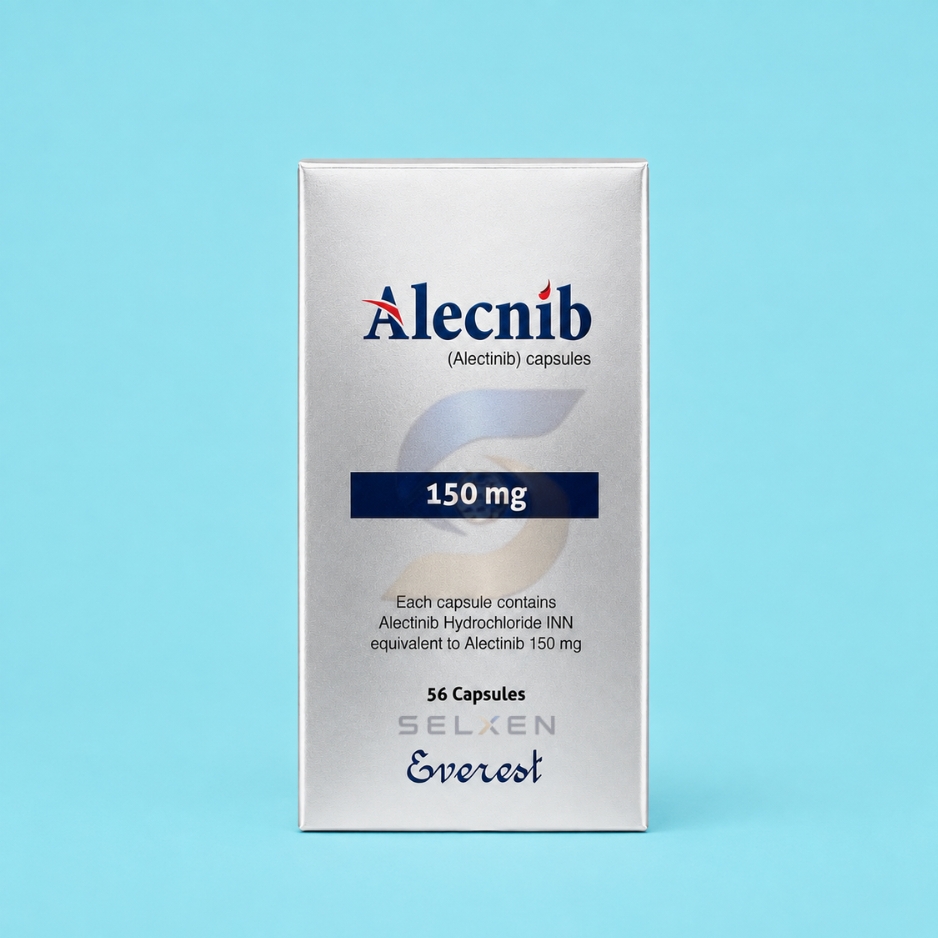
Alecnib 150 mg (Alectinib)
- Disclaimer : Before purchasing any medicine, always verify whether there is a valid drug license.
How to know the original Everest products?
To verify an Everest product, first scan the QR code printed on the box. The QR code will take you to the official verification page.
After opening the box, check the bottle for its unique verification code. Enter this code on the verification page to confirm the product’s authenticity.
If the verification is successful, the product is legitimate. However, if a verification error appears, do not use or purchase the product. It may be fake or counterfeit. Fake products should be reported or safely disposed of according to local guidance.
Introduction
Alecnib 150 mg is made up of alectinib, which is an antitumor agent that targets certain pathways in the body. This drug belongs to a class of drugs known as ALK tyrosine kinase inhibitors (ALK TKIs). Some adult patients with non-small-cell lung cancer (NSCLC) that is ALK-positive are treated with alectinib.An ALK-positive non-small-cell lung cancer refers to NSCLC cancer cells that have an abnormality related to the anaplastic lymphoma kinase (ALK) gene or protein. Unlike traditional chemotherapy, this drug is intended to target a molecular pathway in the body that drives the proliferation and survival of cancer cells.
Since alectinib is a prescribed antineoplastic agent, selection of the drug and administration need to be done by an oncologist. The proper dosage, duration, laboratory monitoring, and modification of therapy will depend upon the diagnosis of the individual, concomitant medications, medical history and information from the prescription guidelines. Alectinib is also marketed with other trade names in other regions.
What Is Alectinib?
Alectinib is an ALK inhibitor. ALK is a receptor protein that takes part in cell signaling. In some cases of NSCLC, the improper functioning of ALK signaling results in uncontrolled growth of cancerous cells. By inhibiting ALK signaling, alectinib disrupts the functioning of these pathways and thereby suppresses the proliferation of cancer cells. This medicine is recommended for use only when a specific diagnostic test detects an ALK mutation.
What Is Alecnib 150 mg Used For?
The principal clinical use of alectinib is ALK-positive NSCLC.
Depending on the regulatory jurisdiction and individual clinical circumstances, alectinib may be used for:
- Advanced ALK-positive NSCLC
- ALK-positive NSCLC in adults who have not previously received systemic treatment
- ALK-positive advanced NSCLC following previous treatment with crizotinib
- Adjuvant treatment after complete surgical removal of ALK-positive NSCLC in patients at sufficiently high risk of recurrence
The exact indication approved must be matched against the current prescribing information of the drug in question. Alectinib is now approved by the European Medicines Agency for use as an adjuvant therapy in adults with ALK-positive NSCLC who are at risk of relapse, as well as for the treatment of adult patients with metastatic ALK-positive NSCLC and post-crizotinib therapy.
How Does Alectinib Work?
Alectinib acts by suppressing the function of the aberrant ALK signaling pathways. Aberrant ALK function in ALK-positive NSCLC may activate cancerous cells to proliferate and multiply. Alectinib may therefore decrease the proliferation and growth of cancerous cells that depend on the ALK signaling pathways. That is the reason why ALK testing is crucial prior to administration of alectinib.
Dosage and Administration
However, the exact alectinib dosage regimen needs to be decided by the treating oncologist. For the Alecensa formulation, which has been approved by the EU, the drug needs to be taken twice a day after meals orally. However, the drug therapy will need to continue as long as the cancer is under control and the side effects are manageable.
The prescription guidelines for the U.S. also provide dosing and dose adjustment instructions. This can vary based on indications and regulations in the specific regulatory jurisdictions. Patients must not alter the dosing on their own.
How to Take Alectinib
Alectinib capsules should be taken exactly as prescribed.
Important general points include:
- Take the medicine with food when instructed by the prescribing information.
- Swallow the capsules as directed rather than altering them unless a healthcare professional provides different instructions.
- Take doses at approximately consistent times.
- If a dose is missed or vomiting occurs after taking a dose, follow the instructions supplied by the treating healthcare professional or official patient leaflet.
- Do not take extra medicine to compensate for a missed dose unless specifically instructed.
Who May Receive Alectinib?
Alectinib may be considered for appropriate adult patients whose NSCLC has been confirmed to be ALK-positive and who meet the relevant clinical criteria.
Before treatment, the oncology team may assess:
- ALK status
- Cancer stage
- Previous cancer treatments
- Liver function
- Muscle-related symptoms or laboratory findings
- Heart rate
- Other medicines being taken
- Pregnancy potential where applicable
- Overall medical history
Who Should Not Use Alectinib Without Medical Assessment?
Alectinib should not be started without appropriate medical assessment.
Particular caution may be necessary in people with:
- Previous or current liver problems
- Significant muscle problems
- Slow heart rate or cardiac conditions
- Certain medication interactions
- Pregnancy or potential pregnancy
- Breastfeeding
- Previous serious reaction to alectinib or its ingredients
The treating physician should review the complete medical history before prescribing treatment.
Important Warnings and Precautions
Alectinib can cause clinically important adverse reactions and requires appropriate monitoring.
Important safety concerns include:
Liver problems
Alectinib can increase liver enzymes and bilirubin. Healthcare professionals may perform liver-function blood tests during treatment.
Muscle problems
Muscle pain and increases in creatine phosphokinase (CPK) can occur. Unexplained or significant muscle pain, weakness or other concerning symptoms should be reported promptly.
Interstitial lung disease or pneumonitis
Inflammation or other injury affecting the lungs is an important potential adverse reaction. New or worsening breathing difficulties, cough or other unexplained respiratory symptoms should receive prompt medical assessment.
Slow heart rate
Alectinib can cause bradycardia, meaning an abnormally slow heart rate. Appropriate assessment may be necessary, particularly when symptoms occur. These safety concerns are reflected in regulatory product information.
Possible Side Effects
Reported adverse effects can include:
- Constipation
- Muscle pain
- Swelling or oedema
- Anaemia
- Increased bilirubin
- Increased liver enzymes
- Nausea
- Fatigue
- Changes in blood-test results
Constipation, muscle pain, swelling, anaemia, high levels of bilirubin, and high levels of liver enzymes are some of the adverse effects associated with this drug, according to EMA. All these adverse effects may not be experienced by all patients, and their intensity varies too. Medical advice should be sought when experiencing difficulty breathing, extreme muscle problems, fainting, dizziness, and symptoms indicating a liver problem.
Drug Interactions
Alectinib can interact with other medicines. Patients should provide their doctor and pharmacist with a complete list of:
- Prescription medicines
- Non-prescription medicines
- Vitamins
- Herbal products
- Dietary supplements
Do not begin, stop, or change another medicine without discussing it with the treating healthcare professional.
Storage
Store alectinib according to the product packaging and official patient information supplied with the medicine.
Keep medicines:
- In their original packaging when appropriate
- Away from excessive heat and moisture
- Out of reach of children
- According to the temperature and storage requirements stated on the label
Do not use capsules that appear damaged or altered.
Manufacturer Information
The data provided for the specific Alecnib 150 mg product will include the manufacturer, composition, approval, batch numbers, and other relevant information. The data provided for this product’s manufacturer is Everest Pharmaceuticals Ltd. Nonetheless, the manufacturer and authorization data must be verified by the product label and national authorities.
| Information | Details |
|---|---|
| Medicine | Alecnib 150 mg |
| Active ingredient | Alectinib |
| Drug class | ALK tyrosine kinase inhibitor |
| Therapeutic area | Oncology |
| Main disease area | ALK-positive non-small-cell lung cancer |
| Pharmaceutical form | Capsule |
| Strength | 150 mg |
| Route | Oral |
| Prescription status | Prescription medicine |
Why Medical Supervision Matters
Alectinib cannot be described as a general drug to treat lung cancer since its use is based on molecular properties of the tumor and the patient’s condition. According to the European Medicines Agency (EMA), the presence of ALK positivity needs to be confirmed before the use of alectinib and its administration has to be done under the supervision of a doctor having experience with cancer drugs.
Conclusion
Alecnib 150 mg (Alectinib) is an ALK inhibitor that is intended to be used for adults suffering from ALK-positive non-small cell lung cancer and who have been adequately selected. The medication acts through inhibition of abnormal ALK signaling contributing to the development of cancer cells. Therapy with alectinib depends on such aspects as the ALK status of the patient, the disease stage, prior therapies and general patient health condition.
Patients should use alectinib only according to their oncology team’s instructions and should consult their doctor or pharmacist about dosing, interactions, missed doses, side effects and other medicines.
Frequently Asked Questions About Alecnib 150 mg
What is Alecnib 150 mg?
Alecnib 150 mg is a preparation that consists of alectinib, which is an ALK tyrosine kinase inhibitor to be used in patients who have ALK-positive non-small cell lung cancer.
What is alectinib used to treat?
Alectinib is a treatment for particular adults with ALK-positive NSCLC, including patients who have a disease at the advanced stage, as well as those for whom adjuvant therapy is needed after complete removal of the tumor.
Is Alecnib 150 mg a chemotherapy medicine?
Alectinib is considered a targeted therapy, as it is a tyrosine kinase inhibitor (ALK. Its mode of action is associated with inhibition of ALK signaling; thus, alectinib cannot be called a cytotoxic chemotherapy drug.
Does alectinib work for every type of lung cancer?
No. Alectinib is meant for use in patients who have the corresponding ALK mutation. ALK status must be confirmed through specific tests.
How is alectinib taken?
The recommended form of Alecensa is taken twice a day with food.
Be the first to review “Alecnib 150 mg (Alectinib)” Cancel reply
Related products


Need Help?
Our friendly support team is here to assist you with orders, shipping, returns, product information, and any questions you may have. Contact us anytime, and we’ll be happy to help.
- 89 Motijheel, Dhaka, Bangladesh
Services
Copyright 2026. selxen.com All Rights Reserved
Product was successfully added to your cart!
Reviews
There are no reviews yet.