No products in the cart.


Need Help?
+8801822361899
Sign In
Registration complete. Please check your email.
Create an account
The user name or email address is not correct.
Reset password
Password reset email has been sent.
The email could not be sent. Possible reason: your host may have disabled the mail function.
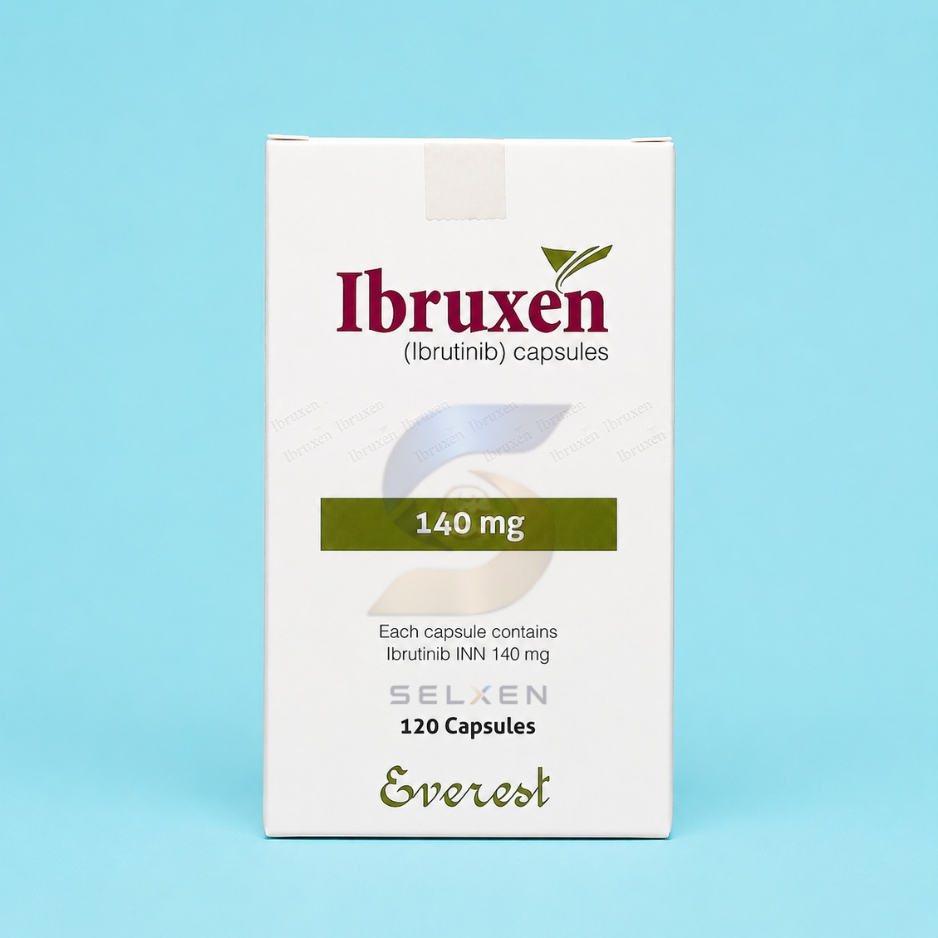
Ibruxen 140 mg (Ibrutinib)
- Disclaimer : Before purchasing any medicine, always verify whether there is a valid drug license.
How to know the original Everest products?
To verify an Everest product, first scan the QR code printed on the box. The QR code will take you to the official verification page.
After opening the box, check the bottle for its unique verification code. Enter this code on the verification page to confirm the product’s authenticity.
If the verification is successful, the product is legitimate. However, if a verification error appears, do not use or purchase the product. It may be fake or counterfeit. Fake products should be reported or safely disposed of according to local guidance.
Ibruxen 140 mg is a prescription oncology medicine containing ibrutinib 140 mg, a targeted Bruton’s tyrosine kinase (BTK) inhibitor. Ibruxen is manufactured by Everest Pharmaceuticals Ltd. and is intended for use under the supervision of a qualified healthcare professional. Ibrutinib is used in the management of certain B-cell malignancies and other approved conditions. Because approved indications, dosing recommendations, and availability can vary by country and product authorization, treatment should always follow the prescribing information applicable to the patient. Global availability and access: Selxen provides a global access and knowledge bridge for patients, caregivers, healthcare professionals, and legitimate pharmaceutical procurement needs.
Ibruxen 140 mg at a Glance
| Product information | Details |
|---|---|
| Brand name | Ibruxen 140 mg |
| Generic name | Ibrutinib |
| Strength | 140 mg |
| Dosage form | Capsule |
| Route of administration | Oral |
| Drug class | Bruton’s tyrosine kinase (BTK) inhibitor |
| Therapeutic area | Oncology/hematology |
| Manufacturer | Everest Pharmaceuticals Ltd. |
| Product type | Prescription medicine |
| Global access | Available through Selxen, subject to local regulatory and prescription requirements |
Everest Pharmaceuticals lists Ibruxen in its oncology portfolio as Ibrutinib INN 140 mg.
What Is Ibruxen 140 mg?
Ibruxen 140 mg contains ibrutinib, a targeted medicine that inhibits Bruton’s tyrosine kinase (BTK). BTK is an important signaling protein involved in B-cell receptor signaling. By binding to BTK and inhibiting its activity, ibrutinib interferes with signaling pathways that contribute to the survival, proliferation, movement, and interaction of certain B cells. This targeted mechanism is why ibrutinib is used in the treatment of selected hematologic cancers and immune-related conditions. Ibruxen should not be described as interchangeable with every other ibrutinib product without considering the relevant product authorization, formulation, manufacturer, and prescribing information.
What Is Ibrutinib Used For?
The appropriate use of Ibruxen 140 mg (ibrutinib) depends on the indication approved for the specific product and the country in which it is prescribed.
Ibrutinib is an established treatment option in certain patients with:
- Chronic lymphocytic leukemia (CLL)
- Small lymphocytic lymphoma (SLL)
- Waldenström’s macroglobulinemia (WM)
- Chronic graft-versus-host disease (cGVHD) in applicable approved patient populations
For example, the current U.S. FDA labeling for ibrutinib includes adult CLL/SLL, CLL/SLL with 17p deletion, WM, and cGVHD in adults and children aged 1 year and older after failure of one or more lines of systemic therapy. Other jurisdictions may have different approved indications. The European Medicines Agency, for example, has authorized ibrutinib in additional disease settings. Important: Do not use the indication list for another ibrutinib brand or another country as a substitute for the prescribing information applicable to Ibruxen in the patient’s jurisdiction.
How Does Ibrutinib Work?
Ibrutinib is a Bruton’s tyrosine kinase inhibitor. BTK is part of the signaling system used by B cells. Ibrutinib binds to BTK and inhibits its activity, disrupting signaling that supports B-cell survival and proliferation. This mechanism can help control abnormal B-cell populations in diseases for which ibrutinib is an approved treatment. Ibrutinib is therefore different from conventional cytotoxic chemotherapy: it is a targeted kinase inhibitor designed to interfere with a specific molecular pathway.
Ibruxen 140 mg Dosage
The appropriate dose of ibrutinib depends on the patient’s diagnosis, treatment regimen, age, liver function, concomitant medicines, and the applicable prescribing information. The 140 mg strength refers to the amount of ibrutinib in each Ibruxen capsule. It does not mean that every patient should take one 140 mg capsule once daily. For example, current U.S. prescribing information recommends 420 mg once daily for adult CLL/SLL and WM, while dose modifications may be required because of adverse reactions, CYP3A drug interactions, or hepatic impairment. Do not calculate your personal ibrutinib dose from the capsule strength alone. Follow the exact dose prescribed by your oncologist.
How to Take Ibruxen
When prescribed:
- Take Ibruxen exactly as directed by your healthcare professional.
- Take it at approximately the same time each day if instructed to take it once daily.
- Swallow capsules whole with water.
- Do not open, crush, break, or chew the capsule unless the applicable product information specifically permits an alternative method.
- Do not change the dose or stop treatment without medical advice.
- If you miss a dose, follow the missed-dose instructions supplied with your prescription rather than taking extra medicine to compensate.
Important Safety Information
Ibrutinib can cause clinically significant adverse reactions. Treatment should be supervised by a healthcare professional who can assess the patient’s medical history, other medicines, laboratory results, and treatment response.
Important risks associated with ibrutinib include:
Bleeding
Ibrutinib can increase the risk of bleeding, including serious hemorrhage.
Tell your doctor if you:
- Bruise unusually easily
- Have persistent nosebleeds
- Notice blood in urine or stool
- Cough or vomit blood
- Experience prolonged bleeding
Seek urgent medical attention for severe or unexplained bleeding.
Infections
Ibrutinib may increase the risk of infections. Patients should promptly report symptoms such as persistent fever, chills, severe cough, breathing difficulty, or other signs of serious infection.
Heart rhythm problems and cardiac complications
Ibrutinib has been associated with cardiac arrhythmias, including atrial fibrillation, as well as cardiac failure and, in some cases, serious cardiovascular outcomes.
Tell your healthcare professional if you develop:
- A racing or irregular heartbeat
- Palpitations
- Dizziness or fainting
- Chest discomfort
- New or worsening shortness of breath
- Swelling of the legs
The current FDA prescribing information specifically includes warnings for cardiac arrhythmias, cardiac failure, sudden death, and hypertension.
High blood pressure
Hypertension can occur during ibrutinib treatment. Your healthcare team may monitor blood pressure periodically and treat hypertension when necessary.
Low blood-cell counts
Ibrutinib can cause cytopenias, including reductions in neutrophils, platelets, and red blood cells. Your doctor may order regular blood tests to monitor blood counts.
Liver problems
Ibrutinib can cause hepatotoxicity, including drug-induced liver injury. Liver function and the patient’s overall clinical condition should be considered when determining whether treatment is appropriate.
The FDA label recommends dose modification for certain degrees of hepatic impairment and avoidance in severe hepatic impairment.
Tumor lysis syndrome
Tumor lysis syndrome can occur when cancer cells break down rapidly. Patients with a high tumor burden may require appropriate monitoring and preventive management according to their oncology treatment plan.
Other primary cancers
Second primary malignancies, including skin cancers, have been reported with ibrutinib treatment. Patients should discuss appropriate monitoring and sun-protection measures with their healthcare team.
Common Side Effects of Ibrutinib
Side effects vary depending on the patient’s disease, other treatments, and individual health.
Reported adverse effects include:
- Diarrhea
- Fatigue
- Muscle or joint pain
- Bruising
- Nausea
- Rash
- Headache
- Fever
- Anemia
- Low platelet count
- Low white blood-cell count
- Respiratory infections
- High blood pressure
Some adverse effects can be serious. A patient should not assume that a symptom is harmless simply because it is listed as a common side effect.
Ibrutinib Drug Interactions
Ibrutinib is metabolized primarily through the CYP3A pathway, so medicines that strongly or moderately inhibit or induce CYP3A can substantially change ibrutinib exposure. The FDA prescribing information specifically recommends dose modification with CYP3A inhibitors and avoidance of strong CYP3A inducers. Before starting Ibruxen, tell your healthcare professional about all medicines, supplements, and herbal products you use.
This is particularly important if you take:
- Anticoagulants or blood thinners
- Antiplatelet medicines
- Certain antifungal medicines
- Certain antibiotics
- Some heart medicines
- CYP3A-inducing medicines
- Herbal products or supplements
Do not start or stop another medicine while taking Ibruxen without discussing it with your doctor or pharmacist.
Ibruxen and Surgery or Dental Procedures
Because ibrutinib can increase bleeding risk, your oncology team and surgeon or dentist should know that you are taking it before an invasive procedure. Do not stop Ibruxen on your own. Your healthcare professional should determine whether treatment needs to be temporarily interrupted and when it should be restarted.
Pregnancy and Breastfeeding
Ibrutinib may cause fetal harm. Patients who are pregnant, planning pregnancy, or who could become pregnant should discuss the risks and appropriate contraception with their healthcare professional before starting treatment. The current U.S. prescribing information advises against breastfeeding during treatment. Because reproductive recommendations can depend on the patient’s circumstances and applicable product information, patients should follow individualized medical advice.
Who Should Not Take Ibruxen?
Ibruxen should not be used without appropriate medical assessment.
Tell your doctor if you have:
- A history of significant bleeding
- Heart rhythm problems
- Heart failure or cardiovascular disease
- High blood pressure
- Liver disease
- Recurrent or serious infections
- A planned operation or dental procedure
- A pregnancy or plans to become pregnant
- A need for anticoagulant or antiplatelet treatment
- Any other significant medical condition
Your healthcare professional will determine whether ibrutinib is appropriate for you.
Monitoring During Ibrutinib Treatment
Your treatment team may monitor several aspects of your health during therapy, including:
- Complete blood counts
- Liver function
- Blood pressure
- Heart rhythm and cardiovascular symptoms
- Signs of infection
- Signs of bleeding
- Treatment response
- Symptoms associated with tumor lysis syndrome when clinically relevant
Monitoring requirements differ between patients and treatment settings.
Ibruxen 140 mg Manufacturer
Ibruxen 140 mg is manufactured by Everest Pharmaceuticals Ltd. The official oncology product listing identifies Ibruxen as Ibrutinib INN 140 mg. For product verification, patients and healthcare professionals should check the packaging, batch information, expiry date, manufacturer details, and applicable regulatory documentation.
Ibruxen 140 mg vs. Other Ibrutinib Products
Ibruxen contains the active ingredient ibrutinib, but the existence of the same active ingredient does not mean that every commercial ibrutinib product is identical.
Products can differ in:
- Manufacturer
- Brand name
- Formulation
- Excipients
- Packaging
- Regulatory authorization
- Available strengths
- Country-specific labeling
For this reason, Ibruxen should be identified by its complete product information rather than simply described as another name for a different commercial brand.
Why the 140 mg Strength Is Important
A 140 mg capsule provides a specific amount of ibrutinib that can be used as part of a prescribed treatment regimen. For some adult indications, the total daily dose may require multiple capsules. Current U.S. labeling, for example, specifies 420 mg once daily for adult CLL/SLL and WM, equivalent to three 140 mg capsules when that strength is used. The number of capsules a patient should take must always come from the prescribing healthcare professional.
Global Access to Ibruxen 140 mg
Selxen serves as a global access and knowledge bridge for legitimate pharmaceutical access and product information.
Availability of Ibruxen may vary according to:
- Country
- Local regulatory requirements
- Prescription requirements
- Product registration
- Import regulations
- Healthcare-provider authorization
- Availability from legitimate pharmaceutical supply channels
Patients should provide a valid prescription and relevant clinical information when required. For international orders, regulatory and customs requirements should be confirmed before purchase.
How to Obtain Ibruxen 140 mg
Because Ibruxen is a prescription oncology medicine, responsible access should begin with a qualified healthcare professional.
A typical process is:
- Consult your oncologist or qualified prescriber.
- Confirm the diagnosis and treatment plan.
- Obtain a valid prescription where required.
- Verify the exact product, strength, quantity, and manufacturer.
- Use a legitimate pharmaceutical supply channel.
- Check the packaging, batch number, expiry date, and product details when received.
- Follow your oncology team’s instructions throughout treatment.
Need Help With Global Access?
Selxen can help bridge product knowledge and legitimate international access requirements for Ibruxen 140 mg (Ibrutinib). Request product availability, prescription requirements, and international access information through Selxen.
Frequently Asked Questions About Ibruxen 140 mg
What is Ibruxen 140 mg?
Ibruxen 140 mg is an oral prescription capsule containing 140 mg of ibrutinib, manufactured by Everest Pharmaceuticals Ltd.
What is the generic name of Ibruxen?
The generic name is ibrutinib.
What type of medicine is ibrutinib?
Ibrutinib is a Bruton’s tyrosine kinase (BTK) inhibitor, a targeted therapy used in certain hematologic malignancies and other approved conditions.
What is Ibruxen 140 mg used for?
The appropriate indication depends on the specific product authorization and country. Ibrutinib is used in selected patients with conditions including CLL/SLL, Waldenström’s macroglobulinemia, and chronic graft-versus-host disease.
Is Ibruxen 140 mg a chemotherapy medicine?
Ibrutinib is generally classified as a targeted kinase inhibitor, rather than conventional cytotoxic chemotherapy. It works by inhibiting BTK signaling.
Can Ibruxen be used during pregnancy?
Ibrutinib may harm an unborn baby. Patients who are pregnant or may become pregnant should discuss the risks and contraception requirements with their healthcare professional.
Where is Ibruxen manufactured?
Ibruxen 140 mg is manufactured by Everest Pharmaceuticals Ltd. Everest’s official product listing identifies it as Ibrutinib INN 140 mg.
Is Ibruxen the same product as Imbruvica?
They contain the same active ingredient, ibrutinib, but they are different commercial products. Manufacturer, formulation, packaging, authorization, and other product characteristics may differ.
How can I check whether Ibruxen is the correct medicine for me?
The safest approach is to provide your prescription and medical history to your oncologist or pharmacist. They can confirm the indication, strength, dose, interactions, and suitability of the specific product.
Important Medical Disclaimer
This page is provided for educational and product-information purposes and is not a substitute for professional medical advice, diagnosis, or treatment. Ibruxen 140 mg is a prescription medicine. Do not begin, change, or discontinue treatment based solely on information on this page. Always follow the prescribing information applicable to your country and the instructions of your oncologist or other qualified healthcare professional.
Be the first to review “Ibruxen 140 mg (Ibrutinib)” Cancel reply
Related products



Need Help?
Our friendly support team is here to assist you with orders, shipping, returns, product information, and any questions you may have. Contact us anytime, and we’ll be happy to help.
- 89 Motijheel, Dhaka, Bangladesh
Services
Copyright 2026. selxen.com All Rights Reserved
Product was successfully added to your cart!
Reviews
There are no reviews yet.