No products in the cart.


Need Help?
+8801822361899
Sign In
Registration complete. Please check your email.
Create an account
The user name or email address is not correct.
Reset password
Password reset email has been sent.
The email could not be sent. Possible reason: your host may have disabled the mail function.
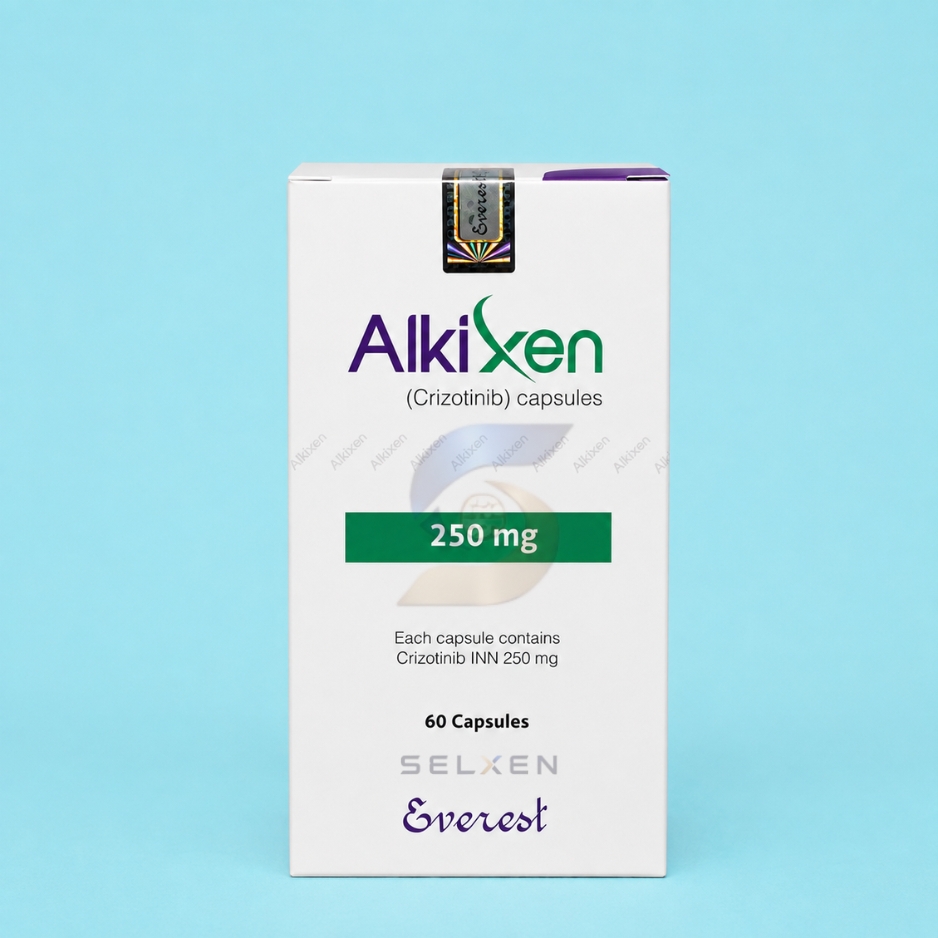
Alkixen 250 mg (Crizotinib)
- Disclaimer : Before purchasing any medicine, always verify whether there is a valid drug license.
How to know the original Everest products?
To verify an Everest product, first scan the QR code printed on the box. The QR code will take you to the official verification page.
After opening the box, check the bottle for its unique verification code. Enter this code on the verification page to confirm the product’s authenticity.
If the verification is successful, the product is legitimate. However, if a verification error appears, do not use or purchase the product. It may be fake or counterfeit. Fake products should be reported or safely disposed of according to local guidance.
Introduction
Alkixen 250 mg is made up of crizotinib, which is a targeted anticancer drug in the TKI category. Crizotinib functions through inhibiting certain proteins in the development and sustenance of particular cancer cells. Crizotinib has been linked to cancers with some specific molecular alterations, which include alterations such as those of ALK (anaplastic lymphoma kinase) and ROS1 (ROS proto-oncogene 1). Since these biomarkers are significant in establishing the viability of treatment, the molecular or genetic tests are usually carried out prior to treatment.
Alkixen 250 mg is a prescription drug and its use ought to be carried out under the care of an authorized health practitioner. An appropriate course of treatment is dependent on various factors related to the patient’s cancer and their response to the drugs, among other things.
Everest Pharmaceuticals Ltd. and Selxen: Understanding the Manufacturer and Global Access
Alkixen 250 mg is identified as a product of Everest Pharmaceuticals Ltd. Product information, packaging, registration status, and availability can vary between countries. Selxen is described as a global access and knowledge-bridge platform. Information about international availability should always be checked against applicable regulatory requirements and the official product documentation for the relevant country. Patients should verify the product name, strength, manufacturer, packaging, batch information, expiry date, and other identifying details before medicine use.
Oncology Information Provider Section: Empowering Informed Choices
Targeted cancer medicines require more than knowing the medicine’s name and strength. Patients and caregivers should understand why a particular medicine has been prescribed, what biomarker supports its use, what monitoring is required, and which symptoms require prompt medical attention.
For crizotinib, discussions with the oncology team may include:
- The cancer diagnosis and stage
- ALK or ROS1 testing results
- Previous cancer treatments
- Liver and kidney function
- Current medicines and supplements
- Potential heart-related effects
- Possible vision-related effects
- Lung-related symptoms
- Pregnancy considerations
- Required laboratory and clinical monitoring
What Is Crizotinib?
Crizotinib is an oral targeted therapy that inhibits several receptor tyrosine kinases. Its clinically important targets include ALK and ROS1. These proteins can become abnormally active in some cancer cells because of specific genetic alterations. Blocking their signaling can interfere with pathways involved in cancer-cell growth and survival. Crizotinib is therefore different from conventional cytotoxic chemotherapy. Its use depends strongly on the presence of an appropriate molecular target.
How Does Crizotinib Work?
Crizotinib inhibits signaling from certain abnormal kinase proteins. In ALK-positive or ROS1-positive cancers, abnormal signaling can promote continued cell proliferation. By inhibiting these kinases, crizotinib can reduce signaling through pathways that support cancer-cell growth. The medicine does not work in every cancer. Appropriate biomarker testing is therefore an important part of treatment selection.
What Diseases Does Crizotinib Treat?
Crizotinib has been used in selected patients with cancers involving specific molecular alterations.
Depending on the regulatory approval in a particular country, indications can include certain:
- ALK-positive non-small-cell lung cancers
- ROS1-positive non-small-cell lung cancers
- ALK-positive anaplastic large-cell lymphoma in selected settings
- ALK-positive inflammatory myofibroblastic tumors in selected settings
Approved indications can differ between countries and may change over time. The treating specialist should determine whether crizotinib is appropriate for an individual patient.
Clinical Evidence
Clinical studies have demonstrated that targeted inhibition of ALK or ROS1 can provide meaningful antitumor activity in appropriately selected patients. The strongest rationale for crizotinib comes from cancers in which the relevant molecular alteration is present. Treatment outcomes can vary considerably depending on the cancer type, disease characteristics, previous therapy, and development of resistance. For this reason, crizotinib should not be considered a general treatment for all lung cancers or other cancers.
Dosage and Administration
The appropriate crizotinib dose is determined by the prescribing oncologist according to the approved indication, patient characteristics, organ function, drug interactions, and treatment response.
Patients should:
- Follow the exact prescription provided by their healthcare professional.
- Take the medicine according to the prescribed schedule.
- Avoid changing the dose independently.
- Not stop treatment without discussing it with the treating team.
- Ask a pharmacist or doctor before changing how the medicine is taken.
Dose adjustments may be necessary when significant adverse effects occur or when certain medicines are taken at the same time.
How to Take Crizotinib
Crizotinib is administered orally as directed by the prescriber. The capsules should be handled according to the product instructions. Patients should follow the instructions supplied with their specific product because administration requirements can vary according to formulation and regulatory labeling. If a dose is missed, patients should follow the instructions provided by their healthcare professional or the official product information rather than taking extra medicine to compensate.
What Happens If You Miss a Dose?
A missed dose should generally be handled according to the official prescribing information for the specific product. Do not double the next dose unless a healthcare professional specifically instructs you to do so. If missed doses occur repeatedly, discuss the problem with the oncology team. They may be able to suggest practical ways to improve adherence.
Available Strengths and Pack Sizes
Alkixen is identified here as a 250 mg crizotinib product. Availability of strengths, capsule formulations, and pack sizes can vary according to the market and manufacturer’s packaging. Always compare the medicine supplied with the prescription and confirm the strength before use.
Who Can Take Crizotinib?
Crizotinib may be appropriate for patients whose cancer meets an approved indication and whose healthcare professional considers the potential benefits and risks acceptable.
Before treatment, the medical team may review:
- Molecular testing results
- Previous treatments
- Liver function
- Kidney function
- Heart history
- Lung symptoms
- Vision problems
- Other medicines
- Pregnancy or reproductive considerations
Who Should Not Use It?
Crizotinib should not be used simply because a person has cancer. It requires an appropriate clinical indication and professional assessment. People with certain medical conditions or medication combinations may require additional precautions, dose modification, or an alternative treatment. Anyone with a previous serious reaction to crizotinib or its ingredients should inform the prescribing healthcare professional.
Warnings and Precautions
Liver Problems
Crizotinib can cause changes in liver function and, in some patients, serious liver injury. Healthcare professionals may therefore perform liver-function testing during treatment. Patients should report symptoms such as unusual fatigue, yellowing of the skin or eyes, dark urine, or persistent abdominal symptoms promptly.
Lung Problems
Interstitial lung disease or pneumonitis is an important potential adverse reaction. New or worsening cough, breathing difficulty, or unexplained respiratory symptoms should be reported promptly.
Heart Effects
Crizotinib can affect cardiac electrical activity and may prolong the QT interval in susceptible patients. The healthcare professional may consider cardiac history, electrolyte abnormalities, and other medicines that affect cardiac rhythm when assessing treatment.
Vision Changes
Visual disturbances can occur with crizotinib. Patients experiencing new or worsening vision problems should inform their healthcare professional. Driving or operating machinery may require additional caution if vision changes or dizziness occur.
Possible Side Effects
Crizotinib can cause adverse effects, although not every patient experiences them.
Reported adverse effects can include:
- Visual disturbances
- Nausea
- Diarrhea
- Vomiting
- Constipation
- Reduced appetite
- Fatigue
- Dizziness
- Swelling or edema
- Changes in liver-function tests
The seriousness of an adverse effect depends on the individual patient and clinical circumstances.
Serious Side Effects
Seek prompt medical attention for potentially serious symptoms such as:
- New or worsening difficulty breathing
- Severe or persistent cough
- Yellowing of the skin or eyes
- Severe weakness or unusual fatigue
- Fainting or significant palpitations
- Serious vision changes
- Severe or persistent abdominal symptoms
- Symptoms suggesting a serious allergic reaction
Patients should follow the emergency instructions provided by their healthcare team.
Drug Interactions
Crizotinib can interact with other medicines because it is metabolized through hepatic enzyme pathways and can also affect the metabolism of certain other drugs.
Important interaction considerations may include:
- Strong CYP3A inhibitors
- Strong CYP3A inducers
- Medicines that prolong the QT interval
- Certain cardiovascular medicines
- Some immunosuppressive medicines
- Other medicines metabolized through relevant hepatic pathways
Patients should provide their doctor or pharmacist with a complete list of prescription medicines, over-the-counter products, vitamins, and herbal supplements. Do not start a new medicine or supplement without checking for potential interactions.
Foods to Avoid While Taking Crizotinib
Patients should follow the dietary instructions in the official product information and from their healthcare professional. Because certain foods or beverages can affect CYP3A activity, it is particularly important to ask a pharmacist or doctor whether any dietary restrictions apply to the specific crizotinib product being used.
Pregnancy and Breastfeeding
Crizotinib may cause fetal harm based on its pharmacological effects and available nonclinical evidence. Anyone who is pregnant, planning pregnancy, or could become pregnant should discuss crizotinib treatment with a healthcare professional before therapy begins. Breastfeeding considerations should also be discussed with the treating physician because it may be necessary to avoid breastfeeding during treatment and for a period afterward specified by the applicable prescribing information.
Monitoring During Treatment
Monitoring may include clinical assessment and laboratory testing.
Depending on the patient’s circumstances, healthcare professionals may monitor:
- Liver function
- Kidney function
- Blood counts when clinically appropriate
- Heart rhythm or ECG findings
- Electrolytes
- Respiratory symptoms
- Vision changes
- Treatment response
The exact monitoring schedule should be individualized by the treating team.
Genetic Testing Before Starting Treatment
Biomarker testing is particularly important for targeted therapies. For crizotinib, testing may determine whether a cancer contains an alteration involving a relevant target such as ALK or ROS1. Testing methods can include molecular diagnostic techniques performed on tumor tissue or, in selected situations, other validated specimens. Patients should ask their oncologist which test was performed and how the result affects the treatment plan.
Clinical Experience of Medical Experts
Oncologists generally consider targeted therapy within the context of the patient’s complete clinical picture rather than selecting treatment solely from the medicine’s name. Important factors include molecular diagnosis, disease stage, previous therapy, concurrent medical conditions, treatment tolerance, and potential interactions. A pharmacist can also help review administration instructions, interactions, and adherence concerns.
Advantages of Crizotinib
Potential advantages of crizotinib in appropriately selected patients include:
- Targeted inhibition of specific cancer-driving kinases
- Oral administration
- Established clinical experience in selected biomarker-defined cancers
- Activity against cancers involving relevant ALK or ROS1 alterations
These advantages apply only when the medicine is clinically appropriate.
Limitations of Crizotinib
Crizotinib also has important limitations. It is not appropriate for every cancer or every patient. Resistance can develop during targeted treatment, and adverse effects may require monitoring, dose modification, interruption, or a change in therapy. In addition, the molecular characteristics of a tumor can change over time. When disease progresses, the oncology team may recommend additional molecular testing or another treatment strategy.
Storage Instructions
Store Alkixen according to the manufacturer’s official product instructions and keep it away from conditions that could damage the medicine. Keep medicines out of the reach of children. Do not use capsules that are damaged, visibly altered, or past their expiry date. Ask a pharmacist how to dispose of unused or expired medicine safely.
Manufacturer Information
Manufacturer: Everest Pharmaceuticals Ltd. Patients should check the physical packaging and official product documentation for the manufacturer’s current labeling, batch information, expiry date, and other product-specific details. Regulatory approval and availability can differ by country.
Authenticity and Responsible Medicine Use
Medicine authenticity is important, particularly for prescription oncology products.
Before using a product, patients should check:
- Product name
- Active ingredient
- Strength
- Manufacturer
- Batch or lot information
- Expiry date
- Packaging condition
- Applicable verification information
If packaging appears altered or suspicious, do not use the medicine until its authenticity has been confirmed through an appropriate pharmaceutical or regulatory channel.
Prescription Requirements
Crizotinib is a prescription anticancer medicine. It should be used only when prescribed and monitored by an appropriately qualified healthcare professional. The prescription should be based on the patient’s diagnosis, relevant biomarker findings, and individual clinical circumstances.
Conclusion
Alkixen 250 mg (Crizotinib) is a targeted therapy containing crizotinib, a tyrosine kinase inhibitor used in selected cancers with specific molecular alterations. Its use requires careful consideration of biomarker results, medical history, concurrent medicines, potential adverse effects, and treatment monitoring. Liver, respiratory, cardiac, and visual effects are among the important safety considerations. Patients should take crizotinib only according to their oncology team’s instructions and should report concerning symptoms promptly. Because approved indications and prescribing recommendations can differ by country, the current official prescribing information should always be consulted alongside professional medical advice.
Frequently Asked Questions About Alkixen 250 mg (Crizotinib)
How does crizotinib work?
Crizotinib blocks specific tyrosine kinases, including ALK and ROS1. These proteins can contribute to abnormal cancer-cell growth when altered or overactive. Blocking their signaling can help inhibit cancer-cell proliferation.
Is Alkixen 250 mg a chemotherapy medicine?
Crizotinib is generally classified as a targeted therapy rather than traditional cytotoxic chemotherapy. It specifically targets certain proteins involved in cancer-cell signaling.
Is genetic testing needed before taking crizotinib?
Molecular testing is important when treatment depends on a specific biomarker. Your oncologist can determine which test is appropriate and whether your cancer contains an alteration that may make crizotinib suitable.
What are the common side effects of Alkixen 250 mg?
Possible side effects include nausea, diarrhea, vomiting, constipation, fatigue, dizziness, reduced appetite, swelling, visual disturbances, and changes in liver function tests. Not everyone experiences these effects.
Can crizotinib cause serious side effects?
Yes. Important serious risks can include liver injury, lung inflammation or other serious respiratory problems, heart-rhythm abnormalities, and significant visual changes. New or severe symptoms should be reported promptly to a healthcare professional.
Be the first to review “Alkixen 250 mg (Crizotinib)” Cancel reply
Related products





Need Help?
Our friendly support team is here to assist you with orders, shipping, returns, product information, and any questions you may have. Contact us anytime, and we’ll be happy to help.
- 89 Motijheel, Dhaka, Bangladesh
Services
Copyright 2026. selxen.com All Rights Reserved
Product was successfully added to your cart!
Reviews
There are no reviews yet.