No products in the cart.


Need Help?
+8801822361899
Sign In
Registration complete. Please check your email.
Create an account
The user name or email address is not correct.
Reset password
Password reset email has been sent.
The email could not be sent. Possible reason: your host may have disabled the mail function.
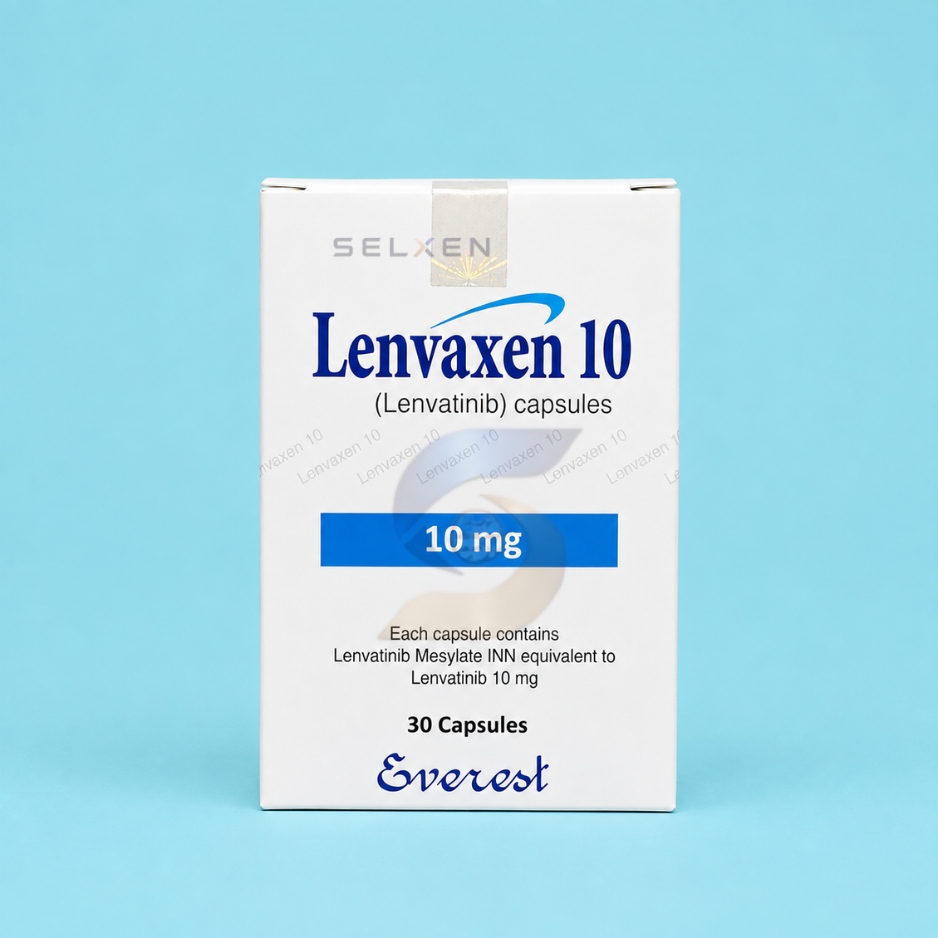
Lenvaxen 10 mg (Lenvatinib)
- Disclaimer : Before purchasing any medicine, always verify whether there is a valid drug license.
How to know the original Everest products?
To verify an Everest product, first scan the QR code printed on the box. The QR code will take you to the official verification page.
After opening the box, check the bottle for its unique verification code. Enter this code on the verification page to confirm the product’s authenticity.
If the verification is successful, the product is legitimate. However, if a verification error appears, do not use or purchase the product. It may be fake or counterfeit. Fake products should be reported or safely disposed of according to local guidance.
Introduction
Lenvaxen 10 mg contains lenvatinib, a prescription medicine used in selected cancer treatment settings. Everest Pharmaceuticals Ltd. lists Lenvaxen 10 and Lenvaxen 4 as products containing lenvatinib mesylate equivalent to 10 mg and 4 mg of lenvatinib. Lenvatinib belongs to a group of medicines called tyrosine kinase inhibitors. It affects several signaling pathways involved in tumor growth and blood-vessel formation. Depending on the cancer type, doctors may prescribe lenvatinib alone or with another cancer medicine.
Importantly, Lenvaxen 10 mg is a capsule strength, not a standard dose for every patient. The prescribed daily dose depends on the cancer being treated, treatment combination, body weight in some settings, and kidney or liver function. Because lenvatinib can cause serious adverse reactions, treatment should be started and monitored by an experienced oncology team. This page provides general medicine information and should not replace individualized medical advice.
What is lenvatinib used for?
Lenvaxen 10 mg is a branded product containing lenvatinib. The active medicine is lenvatinib. The 10 mg designation describes the amount of lenvatinib represented by the capsule strength. It does not mean every patient should take one 10 mg capsule daily. For example, the FDA-approved dosing schedules for lenvatinib vary substantially by indication. DTC may use 24 mg once daily, while HCC dosing can be 8 mg or 12 mg once daily based on body weight. Some RCC and endometrial cancer regimens use 18 mg or 20 mg daily with another medicine. Your oncologist may therefore prescribe combinations of 4 mg and 10 mg capsules to reach the required daily dose.
Manufacturer Information
Lenvaxen is manufactured by Everest Pharmaceuticals Ltd. Everest’s product catalog lists both Lenvaxen 10 and Lenvaxen 4 as lenvatinib products. For purchasing decisions, patients should check the physical packaging, product name, strength, batch information, expiry date, and manufacturer details. Any verification process offered by a seller should be clearly explained and independently supportable.
| Product detail | Information |
|---|---|
| Product name | Lenvaxen 10 mg |
| Generic name | Lenvatinib |
| Active ingredient | Lenvatinib mesylate equivalent to lenvatinib 10 mg |
| Brand | Lenvaxen |
| Manufacturer | Everest Pharmaceuticals Ltd. |
| Dosage form | Capsule |
| Strength | 10 mg |
| Drug class | Tyrosine kinase inhibitor |
| Therapeutic category | Antineoplastic medicine |
| Product type | Prescription medicine |
What Is Lenvaxen 10 mg?
Lenvaxen 10 mg is an oral capsule containing lenvatinib. Lenvatinib is a multi-kinase inhibitor that inhibits many receptor tyrosine kinases involved in signaling associated to cancer. Important targets include pathways involving VEGFR, FGFR, RET and KIT. By inhibiting these pathways, lenvatinib can interfere with processes that support tumor growth and new blood-vessel formation. The medicine is used only for specific cancer indications and patient populations. Its use should be based on a cancer specialist’s assessment.
How Does Lenvatinib Work?
Cancer cells can depend on signaling pathways that support growth, survival and the formation of new blood vessels. Lenvatinib inhibits several receptor tyrosine kinases. These include vascular endothelial growth factor receptors and fibroblast growth factor receptors. It also affects other receptors such as RET and KIT. Blocking these signals can reduce angiogenesis and interfere with signaling that supports tumor progression. This mechanism does not mean lenvatinib is appropriate for every cancer. The expected benefit depends on the cancer type, disease stage, previous treatments and individual patient factors.
What Diseases Does Lenvatinib Treat?
Current FDA prescribing information includes several approved treatment settings for lenvatinib.
Differentiated Thyroid Cancer
Lenvatinib is indicated for adults with locally recurrent or metastatic, progressive, radioactive-iodine-refractory differentiated thyroid cancer. This includes differentiated thyroid cancers such as papillary and follicular types under the approved indication.
Hepatocellular Carcinoma
Lenvatinib is used as first-line treatment for patients with unresectable hepatocellular carcinoma under the approved indication. The FDA dosing schedule uses actual body weight to determine whether 8 mg or 12 mg is appropriate.
Renal Cell Carcinoma
Lenvatinib can be used for advanced renal cell carcinoma in combination with pembrolizumab as first-line treatment. It can also be combined with everolimus after one previous anti-angiogenic therapy.
Endometrial Carcinoma
In the United States, lenvatinib is used with pembrolizumab for certain patients with advanced endometrial carcinoma whose disease has progressed after prior systemic therapy and who are not candidates for curative surgery or radiation. The relevant tumor testing and eligibility criteria matter. Approved indications can differ between countries. Patients should follow the indication approved by their local regulator and their oncologist’s treatment plan.
Key Benefits of Lenvaxen 10 mg
The potential benefit of lenvatinib comes from its ability to target multiple cancer-related signaling pathways.
Potential treatment benefits may include:
- Blocking VEGF-related signaling.
- Reducing tumor-supporting angiogenesis.
- Inhibiting selected growth-signaling pathways.
- Providing an oral targeted-treatment option.
- Supporting combination treatment with selected oncology medicines.
These benefits do not guarantee an individual response. Cancer treatment decisions depend on diagnosis, disease characteristics, previous therapy and overall health.
Clinical Evidence
Lenvatinib has been evaluated in major clinical studies across different cancer types. The SELECT study supported lenvatinib’s use in radioactive-iodine-refractory differentiated thyroid cancer. The REFLECT study evaluated lenvatinib 10 mg in previously untreated unresectable hepatocellular carcinoma. The CLEAR study evaluated lenvatinib with pembrolizumab in advanced renal cell carcinoma. These studies should not be interpreted as guarantees of individual treatment outcomes. Clinical-trial populations and individual patients can differ. For current prescribing information and approved indications, regulatory documents remain the preferred source. The FDA’s current label was revised in January 2025.
Dosage of Lenvaxen 10 mg
There is no single universal Lenvaxen 10 mg dose.
The FDA-approved lenvatinib regimens include:
- DTC: 24 mg orally once daily.
- HCC: 12 mg once daily for patients weighing at least 60 kg.
- HCC: 8 mg once daily for patients weighing below 60 kg.
- RCC with pembrolizumab: 20 mg once daily.
- RCC with everolimus: 18 mg once daily.
- Endometrial carcinoma with pembrolizumab: 20 mg once daily.
These are indication-specific prescribing regimens, not instructions for self-treatment. Doctors may reduce, interrupt or modify treatment because of adverse reactions or certain kidney and liver conditions.
How to Take Lenvaxen
Take Lenvaxen exactly as prescribed by your oncology team. Lenvatinib capsules are taken by mouth. They can generally be taken with or without food. Try to take the medicine at the same time each day. Swallow the capsule according to the product instructions. Do not change the prescribed dose because of side effects without contacting your medical team. If you cannot swallow capsules, ask your healthcare professional about the approved administration method for your specific product.
What Happens If You Miss a Dose?
Do not automatically take two doses to compensate for a missed dose. The appropriate missed-dose instruction can depend on how long it has been since the scheduled dose and how close the next dose is. Follow your product’s prescribing information or contact your oncology team or pharmacist if you are unsure.
Available Strengths
Everest Pharmaceuticals lists:
- Lenvaxen 4 mg
- Lenvaxen 10 mg
Both contain lenvatinib mesylate equivalent to the stated lenvatinib strength. Having more than one strength allows clinicians to adjust prescribed daily doses more precisely.
Available Pack Sizes
Pack sizes can vary by market and supplier. One competitor product listing identifies a 30-capsule pack, while DIMS Plus lists a 30-unit pack for Lenvaxen 10 mg. Always confirm the actual pack size before purchase because availability can differ by country.
Who Can Take Lenvaxen?
Lenvaxen may be prescribed to adults who meet the clinical criteria for an approved lenvatinib treatment.
A cancer specialist should determine whether treatment is appropriate after reviewing:
- Cancer type.
- Disease stage.
- Previous treatments.
- Kidney function.
- Liver function.
- Blood pressure.
- Other medical conditions.
- Current medicines.
- Pregnancy status where relevant.
- Required tumor or molecular testing.
Do not use another patient’s prescription as a guide.
Who Should Not Use It?
The current FDA label lists no general contraindications for Lenvima. However, that does not mean lenvatinib is appropriate for everyone.
Your healthcare professional should know if you have:
- Uncontrolled high blood pressure.
- Heart problems.
- Previous blood-clotting or stroke-related problems.
- Liver disease.
- Kidney disease.
- Protein in the urine.
- Bleeding problems.
- Thyroid disorders.
- Electrolyte abnormalities.
- Recent or planned surgery.
- Pregnancy or plans to become pregnant.
- A history of severe reactions to medicines.
Warnings and Precautions
Lenvatinib requires careful medical monitoring.
Blood Pressure
High blood pressure is a common and clinically important adverse effect. Blood pressure should be controlled before treatment and monitored during therapy. Severe hypertension may require treatment interruption or discontinuation.
Liver Problems
Lenvatinib can cause hepatotoxicity. Liver function should be checked before treatment and periodically during therapy. Dose interruption or discontinuation may be required for significant liver toxicity.
Kidney Problems and Proteinuria
Lenvatinib may cause renal impairment and proteinuria. Urine protein and kidney function may therefore require monitoring during treatment.
Heart Problems
Cardiac dysfunction is an important potential complication. Tell your healthcare team about new shortness of breath, swelling, unusual fatigue or other symptoms that could indicate heart problems.
Blood Clots and Bleeding
Serious arterial thromboembolic and hemorrhagic events have been reported. Sudden weakness, difficulty speaking, severe chest symptoms or significant bleeding require urgent medical assessment.
Gastrointestinal Perforation and Fistula
Lenvatinib has been associated with fistula formation and gastrointestinal perforation.Sev ere or persistent abdominal pain requires prompt medical evaluation.
QT Prolongation
Lenvatinib can prolong the QT interval. Patients with relevant heart conditions, electrolyte abnormalities or medicines that affect cardiac rhythm may require additional monitoring.
Thyroid Function
Lenvatinib can affect thyroid function. Thyroid monitoring is particularly relevant in patients receiving treatment for differentiated thyroid cancer.
Wound Healing
Lenvatinib may interfere with wound healing. Tell your surgeon and oncology team about lenvatinib before planned surgery. Treatment timing may need adjustment under medical supervision.
Possible Side Effects of Lenvatinib
Side effects vary according to the cancer type and whether lenvatinib is used alone or with another medicine.
Commonly reported reactions include:
- High blood pressure.
- Fatigue.
- Diarrhea.
- Decreased appetite.
- Weight loss.
- Nausea.
- Vomiting.
- Abdominal pain.
- Proteinuria.
- Hoarseness or voice changes.
- Stomatitis.
- Rash.
- Palmar-plantar erythrodysesthesia.
- Muscle or joint symptoms.
The exact frequency varies by treatment regimen. The FDA label provides indication-specific adverse-reaction information.
Blood-Related and Serious Side Effects
Not every serious adverse reaction involves blood counts.
Important serious risks include:
- Severe hypertension.
- Cardiac dysfunction.
- Arterial thromboembolism.
- Significant liver injury.
- Kidney impairment.
- Heavy proteinuria.
- Gastrointestinal perforation.
- Fistula formation.
- Serious bleeding.
- QT prolongation.
- Hypocalcemia.
- Reversible posterior leukoencephalopathy syndrome.
- Wound-healing complications.
Seek urgent medical attention for severe chest pain, sudden neurological symptoms, severe abdominal pain, major bleeding, severe breathing difficulty or other acute symptoms.
Drug Interactions
Tell your doctor and pharmacist about every medicine you use.
This includes:
- Prescription medicines.
- Non-prescription medicines.
- Vitamins.
- Herbal products.
- Supplements.
- Heart medicines.
- Blood-pressure medicines.
- Anticoagulants.
- Medicines that affect cardiac rhythm.
Lenvatinib can interact with medicines or clinical conditions that influence blood pressure, bleeding, heart rhythm, liver function or electrolyte balance. Do not stop an essential medicine simply because you read about an interaction online. Ask your prescribing clinician or pharmacist to review your complete medication list.
Foods to Avoid While Taking Lenvaxen
There is no universal list of foods that every patient must avoid while taking lenvatinib. However, maintain adequate nutrition and hydration unless your oncology team has given you different instructions. If diarrhea, vomiting or poor appetite develops, ask your healthcare team how to maintain fluids and nutrition safely. Patients with specific kidney, liver, heart or other medical conditions may receive individualized dietary advice.
Pregnancy and Breastfeeding
Lenvatinib can cause fetal harm. Patients who can become pregnant should discuss effective contraception with their healthcare professional before starting treatment. The FDA prescribing information provides specific reproductive-risk guidance. Breastfeeding is not recommended during treatment with Lenvima according to the FDA labeling. Tell your doctor if you are pregnant, think you may be pregnant, plan to become pregnant or are breastfeeding.
Monitoring During Treatment
Your oncology team may monitor:
- Blood pressure.
- Kidney function.
- Urine protein.
- Liver function.
- Thyroid function.
- Calcium and other electrolytes.
- Heart-related symptoms.
- Body weight.
- Cancer response.
- Treatment-related symptoms.
The exact monitoring schedule depends on your treatment plan and health status. Regular monitoring helps clinicians identify problems early and decide whether treatment should continue, pause or change.
Genetic Testing Before Starting Treatment
Genetic or molecular testing is not automatically required for every patient receiving lenvatinib. The need for testing depends on the cancer type and the specific treatment regimen. For example, the FDA indication for lenvatinib plus pembrolizumab in certain endometrial cancers requires tumor status information relating to mismatch repair and microsatellite instability using an FDA-approved test. Your oncology team should determine which biomarkers or pathology tests are relevant to your cancer.
Storage Instructions
Store Lenvaxen according to the manufacturer’s packaging instructions.
One product listing states storage below 25°C, but patients should prioritize the storage conditions printed on their actual package or approved product information.
Keep the medicine:
- In its original packaging.
- Away from excessive heat and moisture.
- Away from children.
- Away from unauthorized use.
Do not use capsules after their expiry date.
Advantages of Lenvaxen
Potential practical advantages include:
- Oral capsule administration.
- Multiple available strengths.
- Established lenvatinib mechanism.
- Use across several approved oncology settings.
- Availability of combination-treatment regimens in appropriate patients.
The clinical value of lenvatinib depends on using it for the right indication and managing treatment-related toxicity carefully.
Limitations of Lenvaxen
Lenvaxen is not suitable for every cancer or every patient.
Important limitations include:
- It requires specialist prescribing.
- Serious adverse effects can occur.
- Blood pressure requires monitoring.
- Kidney and liver function can affect treatment decisions.
- Dose interruptions or reductions may be necessary.
- Some indications require combination treatment.
- Regulatory indications vary between countries.
- It is not a substitute for surgery, radiation or other cancer treatments when those are appropriate.
Clinical Experience of Medical Experts
Experienced oncology teams commonly focus on two questions when using lenvatinib:
Is the medicine appropriate for this patient’s cancer?
Can treatment-related toxicity be monitored and managed safely?
This is why routine follow-up matters. A patient may receive a dose reduction without the medicine being permanently discontinued.
The prescribing oncology team should always individualize treatment decisions.
Global Access and Knowledge Bridge
Patients seeking oncology medicines across borders should verify the product name, active ingredient, strength, manufacturer, packaging and prescription requirements before ordering. If Lenvaxen is offered through a global-access service such as Selxen, the service should clearly explain its actual sourcing, prescription-verification, shipping and product-verification procedures. No global-access provider should promise that a medicine is appropriate for a particular patient without reviewing the prescription and relevant clinical information.
Oncology Information Provider Section: Empowering Informed Choices
A useful oncology product page should do more than display a medicine name. Patients need enough reliable information to understand what they are being prescribed and what questions to ask their medical team.
For Lenvaxen, the most important questions include:
- Why was lenvatinib selected?
- What is the prescribed daily dose?
- Is it being used alone or with another medicine?
- Which side effects should be reported immediately?
- Which laboratory tests are required?
- How often should blood pressure be checked?
- What should happen if a dose is missed?
- Are any current medicines a concern?
- What should be done before surgery?
This information supports informed conversations with qualified healthcare professionals.
Why Buy Lenvaxen 10 mg From a Responsible Supplier?
A responsible medicine supplier should provide clear product information rather than relying on aggressive claims.
Before purchasing, confirm:
- Product name.
- Generic name.
- Strength.
- Manufacturer.
- Pack size.
- Expiry date.
- Batch information.
- Prescription requirements.
- Shipping conditions.
- Return or cancellation terms.
- Customer support process.
- Product verification procedures.
Availability and pricing should be confirmed at the time of inquiry because they can change by market.
Prescription Requirements
Lenvatinib is a prescription oncology medicine. The EMA states that Lenvima and Kisplyx can only be obtained with a prescription and treatment should be started and supervised by a doctor experienced in cancer medicines. A legitimate supplier should not encourage patients to bypass medical supervision. If you already have a prescription for Lenvatinib, provide the exact prescribed strength and dosing instructions when requesting availability.
Shipping and Delivery
Shipping policies depend on the supplier and destination.
Before placing an international medicine order, confirm:
- Destination eligibility.
- Prescription documentation.
- Estimated delivery window.
- Customs requirements.
- Packaging conditions.
- Tracking availability.
- Refund or cancellation terms.
Do not publish a fixed delivery promise unless the business can consistently support it.
Authenticity and Product Verification
Authenticity is an important concern when purchasing oncology medicines. A trustworthy product page should explain its actual verification process. Customers should compare the received product against the prescription and packaging details.
Check the:
- Product name.
- Strength.
- Manufacturer.
- Batch number.
- Expiry date.
- Packaging integrity.
If anything appears unusual, contact the dispensing pharmacy or manufacturer before taking the medicine.
Conclusion
Lenvaxen 10 mg is a prescription capsule containing lenvatinib, a multi-kinase tyrosine kinase inhibitor manufactured by Everest Pharmaceuticals Ltd. Its 10 mg strength is one available capsule strength and should not be mistaken for a universal daily dose. Lenvatinib has approved uses in selected patients with differentiated thyroid cancer, hepatocellular carcinoma, renal cell carcinoma and certain endometrial cancers. The appropriate regimen depends on the indication and patient factors.
FAQs
What are common Lenvatinib side effects?
Common adverse reactions can include hypertension, fatigue, diarrhea, decreased appetite, nausea, weight loss, proteinuria, abdominal symptoms, rash and voice changes. Frequencies vary by treatment regimen.
Can Lenvaxen be used during pregnancy?
Lenvatinib may be harmful to fetuses. Patients should talk to their healthcare provider about therapy and contraception if they are pregnant or may become pregnant.
Can Lenvaxen be taken with other medicines?
It may be used with other cancer medicines in specific treatment regimens. However, your doctor or pharmacist should review all prescription medicines, supplements and over-the-counter products before treatment.
Does Lenvaxen require a prescription?
Yes. Lenvatinib is a prescription oncology medicine. Treatment should be started and supervised by an appropriately experienced healthcare professional.
Be the first to review “Lenvaxen 10 mg (Lenvatinib)” Cancel reply
Related products


Need Help?
Our friendly support team is here to assist you with orders, shipping, returns, product information, and any questions you may have. Contact us anytime, and we’ll be happy to help.
- 89 Motijheel, Dhaka, Bangladesh
Services
Copyright 2026. selxen.com All Rights Reserved
Product was successfully added to your cart!
Reviews
There are no reviews yet.