No products in the cart.


Need Help?
+8801822361899
Sign In
Registration complete. Please check your email.
Create an account
The user name or email address is not correct.
Reset password
Password reset email has been sent.
The email could not be sent. Possible reason: your host may have disabled the mail function.
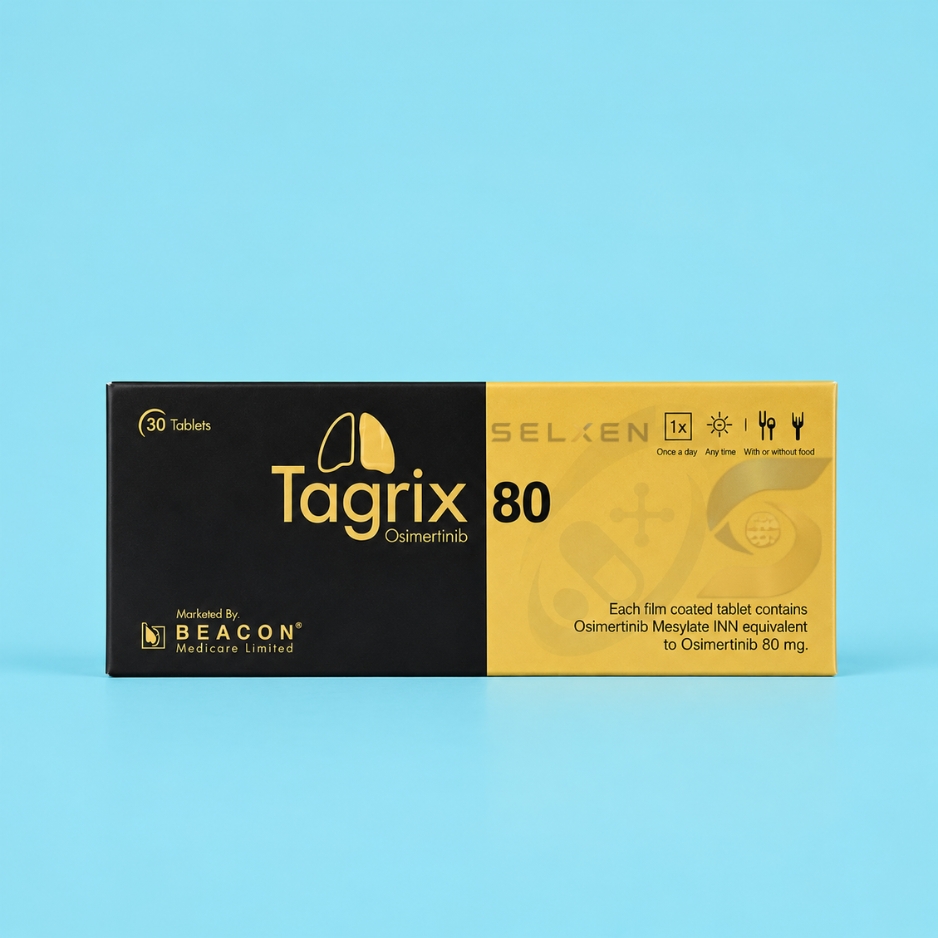
Tagrix 80 mg (Osimertinib) Tablets
- Disclaimer : Before purchasing any medicine, always verify whether there is a valid drug license.
How to know the original Beacon products?
Original Beacon products have unique verification details. First, scan the QR code on the box. Then, compare the displayed information with the package details.
Verify the product code.
Also, check the product reference number carefully. Make sure the information matches the official verification result.
Avoid Unverified Products
Finally, do not buy products showing warnings or verification errors. Always verify Beacon products before purchasing them.
Introduction
Tagrix 80 mg (Osimertinib) Tablets contain osimertinib, which is an antineoplastic medication targeting specific cases of lung cancer known as NSCLC caused by EGFR mutations. Osimertinib is part of a class of drugs referred to as EGFR tyrosine kinase inhibitors (TKIs). The drug acts by inhibiting the signaling pathways involved in abnormal EGFR function, which may promote the growth of cancer cells. Tagrix 80 mg is a prescription medication and is to be used only under the guidance of a suitable medical practitioner. Molecular testing is usually necessary before therapy because the drug is indicated for certain EGFR mutations and not all types of lung cancer.
Osimertinib treatment needs proper medical supervision. Physicians might be interested in observing not only the response to the drug but also its potential side effects related to the lungs, heart, skin, digestion, and eyes. Knowing the mechanism of action of osimertinib, its indication, and necessary precautions will allow patients to make informed decisions with an oncology specialist.
What Is Tagrix 80 mg?
Tagrix 80mg is a medication in tablet form that contains osimertinib. This medication works by blocking specific mutant versions of the epidermal growth factor receptor, also known as EGFR, in some cancer cells. The EGFR is a protein responsible for the transmission of signals. Some mutations in the EGFR gene might result in excessive signaling, causing the cancer cells to proliferate and multiply. This drug blocks mutant EGFR signaling, making it possible to disrupt pathways that promote cancer growth. Given that there are diverse types of lung cancers with distinct molecular features, screening is essential in determining suitability for osimertinib.
How Does Osimertinib Work?
Osimertinib is one example of EGFR tyrosine kinase inhibitors that belong to the third generation. It acts on some mutant variants of EGFR and suppresses their signaling. These include sensitizing mutations of EGFR and the T790M mutation that leads to resistance to other drugs. In doing so, the inhibitor blocks the signaling that stimulates growth and survival of cancer cells. There are differences in the effect of osimertinib between individuals. It will not be effective in all types of lung cancer.
What Is Tagrix 80 mg Used For?
Tagrix 80 mg may be prescribed for certain patients with EGFR-mutated non-small cell lung cancer.
Depending on the patient’s clinical circumstances and the applicable regulatory approval, osimertinib can have roles in:
- EGFR-mutated NSCLC that has spread to other parts of the body
- Selected patients receiving initial treatment for EGFR-mutated advanced NSCLC
- Certain patients with EGFR-mutated NSCLC following surgical treatment
- Some patients whose tumors contain specific EGFR mutations associated with sensitivity to osimertinib
The exact indication depends on the approved labeling in the patient’s country and the individual patient’s diagnosis.
Dosage and Administration
The most frequently prescribed osimertinib dosage for adults is 80 mg daily for several FDA-approved uses. However, the dosage of this medication should be established by the physician who prescribes it. A healthcare provider can discontinue or decrease osimertinib dosing in case of certain severe side effects.
Patients should:
- Take osimertinib exactly as prescribed.
- Every day, take the tablet at roughly the same time.
- Swallow the tablet with water.
- Continue treatment according to the oncology team’s instructions.
- Avoid changing or stopping treatment without medical advice.
If a dose is missed, patients should follow the instructions in the official prescribing information or contact their healthcare professional rather than taking an extra dose without advice.
Who Can Take Osimertinib?
Osimertinib may be appropriate for adults whose cancer has a relevant EGFR alteration and meets the criteria for an approved indication.
Before prescribing, the healthcare team may consider:
- EGFR mutation results
- Cancer stage
- Previous cancer treatment
- General health
- Heart history
- Lung history
- Liver function
- Other medicines being taken
- Pregnancy or reproductive considerations
A doctor should determine whether the expected benefits outweigh the potential risks.
Who Should Avoid or Use Caution With Tagrix?
Patients should inform their healthcare professional if they have previously experienced a serious allergic reaction to osimertinib or any ingredient in the medicine.
People with the following conditions may require extra caution:
- Heart rhythm abnormalities
- A history of QT prolongation
- Heart failure or other significant cardiac disease
- Previous lung inflammation
- Significant respiratory disease
- Liver problems
- Certain eye disorders
- Electrolyte abnormalities
The prescribing team can decide whether additional monitoring is necessary.
Important Safety Information
Interstitial Lung Disease and Pneumonitis
Osmitinib is known to cause serious lung inflammation, including cases of interstitial lung disease and pneumonitis. New or worsening signs, such as dyspnea, cough, or shortness of breath, should be immediately reported to the attending healthcare professionals.
QT Interval Prolongation
Osimertinib may lead to prolonged QT interval on an ECG. This may occur at a higher frequency in individuals with specific heart diseases and when osimertinib is used in combination with other drugs that have an impact on cardiac rhythm.
Changes in Heart Function
A reduction in left ventricular ejection fraction has been reported with osimertinib. Patients with cardiac risk factors may require appropriate assessment during treatment.
Eye Disorders
Some patients may experience eye-related adverse effects. Persistent vision changes, eye pain, or other significant ocular symptoms should be evaluated by a healthcare professional.
Skin and Nail Reactions
Rash, dry skin, itching, and nail changes can occur. Patients should discuss persistent or troublesome symptoms with their medical team.
Common Side Effects
Potential adverse effects of osimertinib include:
- Diarrhea
- Rash
- Dry skin
- Itching
- Nail changes
- Reduced appetite
- Fatigue
- Mouth inflammation
- Muscle or joint pain
- Cough
The severity and duration of side effects vary among patients.
Patients should tell their healthcare professional about persistent, severe, or unusual symptoms.
Serious Side Effects Requiring Medical Attention
Although uncommon, serious reactions can occur.
For symptoms like these, medical help should be sought right away.
- New or worsening breathing difficulty
- Significant chest symptoms
- Fainting or severe dizziness
- Persistent palpitations
- Severe skin reactions
- Major changes in vision
- Severe or persistent gastrointestinal symptoms
Patients should follow the emergency instructions provided by their healthcare team.
Drug Interactions
Osimertinib can interact with certain medicines. Before starting treatment, patients should provide a complete list of medicines, vitamins, herbal products, and supplements they use.
Particular attention may be required with medicines that:
- Affect CYP3A enzymes
- Prolong the QT interval
- Alter electrolyte concentrations
- Affect cardiac rhythm
Patients should not start or stop another medicine without discussing it with an appropriate healthcare professional.
Monitoring During Treatment
Monitoring depends on the individual patient and treatment setting. It may include:
- Physical assessment
- Review of treatment response
- Monitoring for adverse effects
- ECG assessment when appropriate
- Electrolyte monitoring in selected patients
- Cardiac-function assessment when clinically indicated
- Liver-function testing
- Evaluation of respiratory symptoms
- Eye examination when required
Regular follow-up allows the oncology team to determine whether treatment should continue, be interrupted, or be modified.
Pregnancy and Breastfeeding
Osimertinib can have harmful effects on the fetus. It is important for people who are pregnant or intend to get pregnant to consult their doctor about this drug before using it. Those who can possibly become pregnant should seek proper medical guidance regarding contraception while on this medication and for the period recommended by the current drug label. Women who are nursing should also consider this with their healthcare provider since it may be necessary to stop breastfeeding while on this medication.
Current Clinical
Osimertinib is a targeted cancer drug that falls under the category of an epidermal growth factor receptor (EGFR) tyrosine kinase inhibitor. The use of osimertinib is determined based on cancer diagnosis, the results of molecular testing, cancer staging, and the treatment regimen formulated by the oncologist. Osimertinib is mainly used in NSCLC patients if certain activating mutations are identified in the EGFR gene. This means that molecular testing is critical prior to starting treatment because osimertinib may not work on everyone suffering from lung cancer.
Storage Instructions
Keep Tagrix according to the storage conditions stated on the official product packaging and approved product information.
General medicine-storage precautions include:
- Keep the medicine in its original packaging when appropriate.
- Protect it from excessive heat and moisture.
- Keep it away from direct sunlight when instructed by the product labeling.
- Keep it out of children’s reach.
- Do not use tablets that appear damaged or altered.
Osimertinib 80 mg Online
Osimertinib 80 mg is a prescription cancer medicine for certain EGFR-mutated lung cancers.
Safe Access
Therefore, it should only be obtained through a licensed healthcare professional. Online purchase claims should be checked carefully.
Medical Guidance
Always follow your doctor’s advice when using this medicine.
Important
Do not buy prescription cancer medicines from unverified sellers.
Final Note
A qualified healthcare professional can provide appropriate guidance.
Osimertinib 80 mg Price
Osimertinib 80 mg is a prescription cancer medicine used for certain EGFR-mutated lung cancers. The price can vary by country, brand, manufacturer, and pharmacy. Therefore, patients should confirm the current cost through a licensed healthcare provider or pharmacy.
Treatment Information
Importantly, osimertinib should only be used when prescribed by an appropriate cancer specialist. The FDA lists 80 mg once daily for several approved uses.
Safety Reminder
Because this medicine can cause serious side effects, medical supervision is important. Always follow the prescribed treatment plan.
Manufacturer
Tagrix is associated with Beacon Pharmaceuticals Ltd. and contains the active ingredient osimertinib. Manufacturer information, regulatory status, packaging, and labeling can differ between markets. Patients should check the medicine’s locally approved packaging and official product information.
| Information | Details |
|---|---|
| Brand name | Tagrix |
| Generic name | Osimertinib |
| Strength | 80 mg |
| Dosage form | Tablet |
| Drug class | EGFR tyrosine kinase inhibitor |
| Therapeutic area | Oncology |
| Main clinical use | Selected EGFR-mutated NSCLC |
| Product type | Prescription medicine |
| Manufacturer | Beacon Pharmaceuticals Ltd. |
Global Access and Knowledge Bridge: Selxen
Access to targeted cancer medicines such as osimertinib differs considerably between countries. Availability, approved indications, prescribing requirements, reimbursement policies, and regulatory status may vary by region. For patients and families, reliable medical information is especially important when treatment decisions involve a molecularly targeted medicine. The most useful starting point is usually a qualified oncology team together with the patient’s molecular pathology report and relevant treatment records.
Why Molecular Testing Matters
One of the most important considerations before using an EGFR-targeted medicine is determining whether the patient’s cancer contains an appropriate molecular alteration. Lung cancer is not one single disease. Different tumors can have different genetic characteristics and may respond differently to targeted treatments. Testing can help the oncology team identify whether a patient may benefit from a particular targeted therapy. Treatment decisions should therefore be based on validated diagnostic testing and specialist assessment rather than symptoms alone.
Conclusion
Tagrix 80 mg includes osimertinib, which is a targeted therapy for EGFR mutation-positive non-small cell lung cancer. The fact that it is a targeted therapy makes it different from traditional chemotherapy. However, it needs proper prescription and management just like any other drug. Learning about the drug’s indications, side effects, precautions, and possible interactions may make it easier for patients to communicate with their oncology team. Tagrix 80 mg should be used under the direction of a licensed practitioner.
Frequently Asked Questions
What is Tagrix 80 mg?
Tagrix 80 mg is a prescription medicine that is a tablet of osimertinib, which is a tyrosine kinase inhibitor of EGFR for some EGFR mutated forms of NSCLC.
What is the generic name of Tagrix?
The generic name is osimertinib.
What is Tagrix 80 mg used for?
This medicine is prescribed for some patients with NSCLC having particular EGFR mutations, in accordance with the approved indication.
How does osimertinib work?
This substance prevents certain mutant proteins of EGFR from functioning and prevents the activation of pathways promoting the proliferation and survival of cancer cells.
What is the usual osimertinib dose?
For most of the approved adult uses, the dose is 80 mg once per day.
Be the first to review “Tagrix 80 mg (Osimertinib) Tablets” Cancel reply
Related products


Need Help?
Our friendly support team is here to assist you with orders, shipping, returns, product information, and any questions you may have. Contact us anytime, and we’ll be happy to help.
- 89 Motijheel, Dhaka, Bangladesh
Services
Copyright 2026. selxen.com All Rights Reserved
Product was successfully added to your cart!
Reviews
There are no reviews yet.