No products in the cart.


Need Help?
+8801822361899
Sign In
Registration complete. Please check your email.
Create an account
The user name or email address is not correct.
Reset password
Password reset email has been sent.
The email could not be sent. Possible reason: your host may have disabled the mail function.
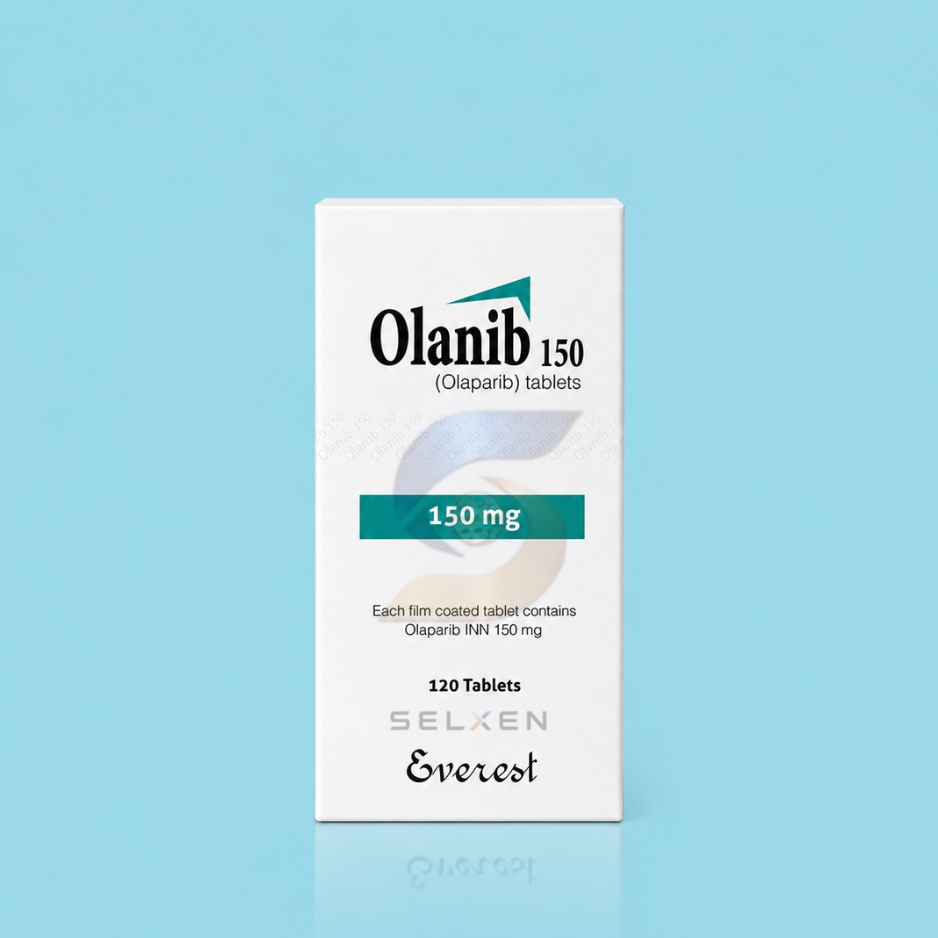
Olanib 150 mg (Olaparib) Tablets
- Disclaimer : Before purchasing any medicine, always verify whether there is a valid drug license.
How to know the original Everest products?
To verify an Everest product, first scan the QR code printed on the box. The QR code will take you to the official verification page.
After opening the box, check the bottle for its unique verification code. Enter this code on the verification page to confirm the product’s authenticity.
If the verification is successful, the product is legitimate. However, if a verification error appears, do not use or purchase the product. It may be fake or counterfeit. Fake products should be reported or safely disposed of according to local guidance.
Olanib 150 mg is an olaparib medication that is prescribed by doctors and falls into the category of cancer therapies known as PARP inhibitors. Olaparib is applicable in cases where there is cancer of the ovaries, fallopian tubes, primary peritoneum, breast, pancreas, and prostate. Whether it can be applied or not will depend on the type and stage of the cancer, previous treatment, and genetic/molecular abnormalities in some cases.
Olaparib is not a universal drug that is used for all cancer patients. Treatment decisions are taken by the oncologist’s team taking into consideration the diagnosis, lab tests, genetic tests (if necessary), treatment history, kidney and liver function, other medications and so on. 150 mg means the dose of olaparib per tablet. Do not confuse the strength of a tablet with the full dosage schedule for a certain kind of cancer.
What Is Olanib 150 mg?
Olanib 150 mg is a pill made up of olaparib, which is a PARP inhibitor. PARP enzymes play a role in DNA repair. Cancer cells that have issues with some DNA repair mechanisms could become more susceptible to PARP inhibition. Olaparib has been tested extensively as a targeted therapy, particularly in cancers caused by mutations in BRCA1, BRCA2, and other DNA repair mutations. The indication will depend on the type of cancer and the biomarkers of the patient. Thus, a genetic or molecular test might be critical to determine if olaparib should be used.
What Class of Medicine Is Olaparib?
Olaparib is an example of a drug belonging to the PARP inhibitor family. These are targeted drugs. While conventional chemotherapy agents affect the cancer cells in the exact same manner, targeted drugs block a biological pathway that may be used by the cancer cells for DNA repair. The development code of olaparib is AZD2281.
How Does Olaparib Work?
DNA is always under attack within cells. Various repair mechanisms in cells ensure proper DNA function. Enzymes like PARP play a role in the repair of DNA damage. By inhibiting the function of PARP, it becomes extremely difficult for cancer cells to repair the DNA damage. This is because PARP inhibitors work on cancer cells with extra DNA repair problems. For instance, cancers that involve BRCA1 or BRCA2 mutations.
This process has been termed “synthetic lethality” whereby the combination of two vulnerabilities is enough to trigger the death of cancer cells where each vulnerability alone would not have been able to do so. The crucial issue here is that the efficacy of the use of olaparib is contingent upon the biology of the cancer cells.
What Is Olanib 150 mg Used For?
Olaparib has approved uses in several cancer settings. Current U.S. prescribing information includes specific indications involving:
- Certain advanced ovarian cancers
- Certain fallopian-tube cancers
- Certain primary peritoneal cancers
- Certain HER2-negative breast cancers
- Certain metastatic pancreatic cancers
- Certain metastatic castration-resistant prostate cancers
Eligibility criteria vary for each of the cancers. It could be specific mutations in the BRCA genes, HRD, or any other mutations of HRR genes, along with prior therapy and response to that therapy. There are different approval criteria in different countries, so the patients are advised to follow the information prescribed in their respective countries.
Why BRCA and Other Genetic Testing Can Matter
One of the crucial factors when it comes to olaparib therapy is the knowledge about the molecular features of cancer. BRCA1 and BRCA2 are the genes responsible for DNA repair. Some tumors have mutations in the said genes or in other genes responsible for homologous recombination repair. For several approved applications, olaparib is explicitly meant for patients who have cancer with specific genetic or molecular profile. An FDA-approved companion diagnostic can be used for identifying such patients. Having a genetic test does not automatically mean that olaparib is indicated.
Olanib 150 mg Strength
Olaparib tablets come in varying dosages. According to the prescribing information for the United States, there are Olaparib tablets with dosages of 150 mg and 100 mg. Hence, 150 mg tablet is simply the dosage strength, but it does not imply that all patients are supposed to be taking a certain number of tablets. The dosing regimen may change due to a variety of factors, including the cancer indication, kidney status, drug interactions, side effects, and others.
Dosage and Administration
The appropriate olaparib regimen must be determined by the prescribing oncology professional.
Factors that can affect treatment decisions include:
- The type of cancer being treated
- The specific approved indication
- Genetic or molecular test results
- Kidney function
- Other medicines being taken
- Side effects experienced during treatment
- Whether olaparib is used in conjunction with another medication or on its own
The FDA prescribing information provides particular adjustments in dosage depending on certain circumstances such as moderate renal insufficiency and interaction with inhibitors of CYP3A. This is why patients must not alter the dosage, terminate therapy, or initiate it without consulting their health care provider.
Important Warnings and Precautions
Olaparib can cause serious adverse reactions, although not every patient experiences them.
Important warnings in the prescribing information include:
Myelodysplastic Syndrome and Acute Myeloid Leukemia
Both MDS and AML have been observed in patients under olaparib treatment. These are life-threatening diseases related to the blood and bone marrow. According to the prescribing information, hematological toxicity should be monitored.
Pneumonitis
Pneumonitis is among adverse reactions that have been observed with olaparib use. Serious cases have been observed. New or worsening respiratory symptoms should be discussed with healthcare providers promptly.
Blood Clots
Treatment with olaparib has been linked to VTE, including pulmonary embolism. Concerning symptoms should be discussed with healthcare providers promptly.
Liver Problems
Liver injury, including drug-induced liver injury, has been reported. Healthcare professionals may assess liver function when clinically appropriate.
Pregnancy
Olaparib may cause fetal harm. Pregnancy-related precautions should therefore be discussed with the treating healthcare professional before treatment.
Common Side Effects of Olaparib
Reported adverse reactions include:
- Nausea
- Tiredness or fatigue
- Anemia
- Vomiting
- Diarrhea
- Reduced appetite
- Headache
- Changes in taste
- Cough
- Neutropenia
- Dizziness
- Shortness of breath
- Low white blood-cell counts
- Low platelet counts
The number and intensity of side effects will differ from patient to patient and also may depend on whether the drug olaparib is being taken alone or in combination with other medications. If a patient experiences any persistent, serious, or unusual side effects, then the patient needs to notify his/her oncology team about it.
Drug Interactions
Olaparib may interact with other drugs. This includes drugs which are potent or moderate inhibitors of the CYP3A system. Current guidelines suggest that certain inhibitors and inducers for CYP3A be avoided or treatment should be adjusted if necessary.
Patients should provide their healthcare professional with a complete list of:
- Prescription medicines
- Non-prescription medicines
- Vitamins
- Herbal products
- Supplements
This helps the clinical team identify potential interactions before treatment decisions are made.
Monitoring During Treatment
Monitoring is an important part of cancer treatment with olaparib.
Depending on the clinical situation, the oncology team may monitor:
- Complete blood counts
- Kidney function
- Liver function
- Symptoms and adverse reactions
- Signs of infection
- Respiratory symptoms
- Symptoms suggesting blood clots
- Overall response to cancer treatment
The exact monitoring schedule depends on the patient’s circumstances and the treatment plan.
Who May Be Considered for Olaparib?
Olaparib may be considered for adults with particular cancers when the clinical and molecular characteristics meet the requirements of an approved indication.
For example, certain indications involve:
- BRCA1 or BRCA2 mutations
- HRD-positive disease
- Other HRR gene mutations
- Specific stages or types of cancer
- Particular previous treatments
- A specific response to previous platinum-based chemotherapy
These requirements are different for different cancer types. Having a BRCA mutation alone does not mean that olaparib is automatically the right treatment.
Who Should Not Take Olaparib Without Medical Assessment?
Olaparib is a prescription cancer medicine and should only be used when it has been prescribed for an appropriate medical indication.
A healthcare professional needs to consider factors such as:
- Previous allergic reactions to olaparib
- Pregnancy or plans for pregnancy
- Breastfeeding
- Kidney function
- Liver health
- Blood-count abnormalities
- Previous or current cancer treatments
- Other medicines
- Genetic or molecular test results
The current U.S. label does not list a general contraindication, but it contains important warnings and precautions that require medical assessment.
Olaparib and Breastfeeding
Olaparib prescribing information suggests that breastfeeding is contraindicated in women while on this drug therapy and even for a certain time after the last dose. The exact period needs to be ascertained through the relevant prescribing information and the attending physician.
Olaparib and Pregnancy
As olaparib can lead to fetal damage, pregnancy issues are essential prior to therapy and during therapy as well. All individuals who are able to become pregnant should talk about contraception and pregnancy planning with a doctor before starting therapy. There is also information on contraception in the prescribing information.
Olaparib 150 mg Price
Olaparib 150 mg is a prescription medicine used for certain cancers. However, its price can vary by country, brand, pharmacy, and insurance coverage. Therefore, there is no single worldwide price. Patients should confirm current costs through a licensed healthcare provider or pharmacy.
What Affects Price?
Brand and local supply can change the final cost. Also, insurance coverage may affect patient expenses.
Safety Information
Olaparib requires medical supervision because it can cause serious side effects.
Prescription Use
Use only when prescribed by a qualified healthcare professional.
Important Advice
Do not purchase or use this medicine without appropriate medical guidance.
Final Note
Always discuss treatment costs and safety with a healthcare professional.
Manufacturer Information
Olanib 150 mg (Olaparib) is marketed by Everest Pharmaceuticals Ltd., a pharmaceutical manufacturer located in Bangladesh. The published product list of Everest Pharmaceuticals recognizes Olanib 150 as an oncology product that includes Olaparib INN 150 mg. Product information can be obtained from the manufacturer’s prescription data sheet and relevant regulatory information of the country concerned. The manufacturer’s published product list is regarded as the best resource for verifying the strength and authenticity of a product.
Global Access and Knowledge Bridge: Selxen
Selxen is marketed as a global access and information portal in relation to this webpage. Access to prescribed medications, such as olaparib, must always be made according to the laws, prescriptions, and healthcare regulations of the patient’s country. Patients should seek the help of licensed healthcare professionals to decide whether olaparib is right for them based on their individual diagnosis of cancer, their genetic/molecular test results, their previous treatment, and their general health status.
Why Medical Supervision Matters
Olaparib is a targeted treatment; however, targeted treatment is not the same thing as risk-free treatment. This drug can impact blood cell development, as well as cause other major adverse effects. Moreover, it can interact with other medications. All these things mean that the treatment should be supervised by a properly qualified healthcare specialist aware of the patient’s condition and medical background.
Conclusion
Olanib 150 mg (olaparib) is a PARP inhibitor that is used in certain settings of cancer treatment. The application of this drug is associated with the biology of cancer specifically abnormalities in the DNA repair pathway including BRCA1, BRCA2 and others. Learning about this drug is not only knowing the strength of the medication but also the rationale for its use, possible side effects, interactions, and monitoring. As Olanib is a prescription medication with possible serious adverse effects, treatment with this drug needs to be decided on by the patient’s oncology team.
Frequently Asked Questions About Olanib 150 mg
What is Olanib 150 mg?
Olanib 150 mg is a product formulation of olaparib, a PARP inhibitor used in certain cancer management contexts. The application of this agent depends on the type of cancer and some clinical or molecular characteristics.
Is olaparib a chemotherapy medicine?
Olaparib is usually considered a targeted treatment agent. It acts through inhibition of the processes of DNA repair and not through the same mechanism as conventional cytotoxic chemotherapeutic agents.
What cancers can olaparib treat?
There are some cancer cases where olaparib is indicated for use, including certain ovarian, fallopian-tube, primary peritoneal, breast, pancreatic, and prostate cancers. Indication criteria depend on the cancer type and some specific features.
Why is BRCA testing relevant to olaparib?
Certain cancers with damaging mutations of genes BRCA1 and BRCA2 can have defects in their DNA repair. Suppression of PARP activity makes further DNA repair difficult, hence the importance of BRCA test.
What are the common side effects of olaparib?
The common side effects of olaparib are nausea, tiredness, anemia, vomiting, diarrhea, lack of appetite, headache, dizziness, and alterations in blood cell counts.
Can olaparib interact with other medicines?
Yes, certain medications that influence the activity of enzyme CYP3A4 can significantly change the level of olaparib in your body. Consult your health care provider about other medicines and supplements you use.
Be the first to review “Olanib 150 mg (Olaparib) Tablets” Cancel reply
Related products



Need Help?
Our friendly support team is here to assist you with orders, shipping, returns, product information, and any questions you may have. Contact us anytime, and we’ll be happy to help.
- 89 Motijheel, Dhaka, Bangladesh
Services
Copyright 2026. selxen.com All Rights Reserved
Product was successfully added to your cart!
Reviews
There are no reviews yet.